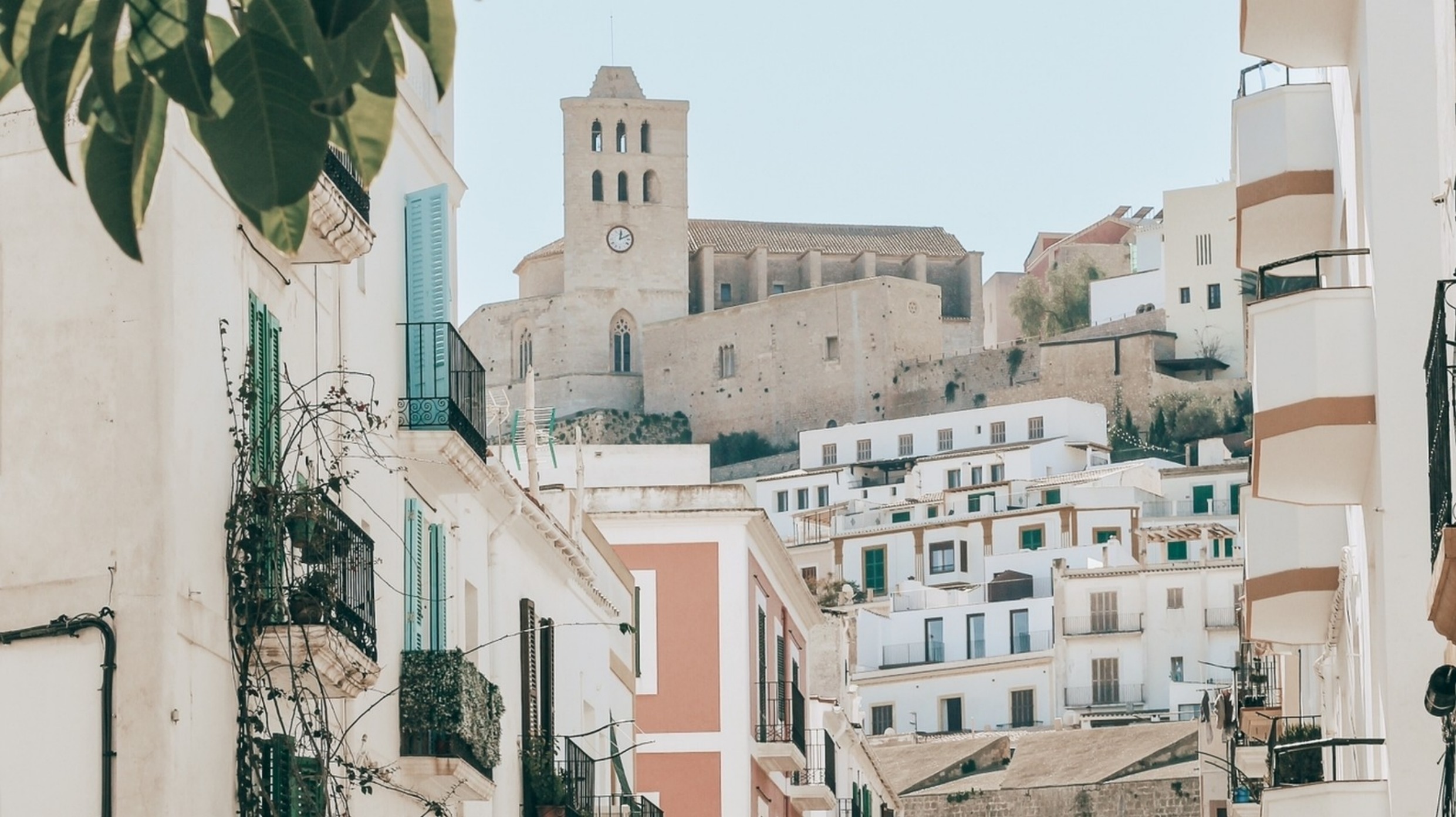

about this reading
Ibiza has spent decades being sold as a single idea: freedom, sun, music, a place where the rules loosen. Tourists get that island. So do the wealthy. What I wanted to know is whether the people who keep it running – pouring the coffee, cleaning the villas, waiting the tables – get any of it too.
I live here. This isn’t a Tour stop I flew into and left; it’s Jesús, most mornings, most of the year. That changes the fieldwork. There was no arriving fresh, and no leaving after six weeks. What follows draws on coffeetalks held across four seasons of 2025, on daily life in between them, and on the island’s own numbers.
Five signals came up again and again. Each one touches more than one part of life at once, which is how I chose them.
A signal is not a problem to solve, and it isn’t a conclusion either. It’s a pattern that kept returning, and it explains part of how life is actually lived here.
The five signals turned out to share one shape, which I wasn’t looking for. It’s set out after the signals, under the four pillars.
What is Ibiza’s freedom actually costing the people who stay for it?
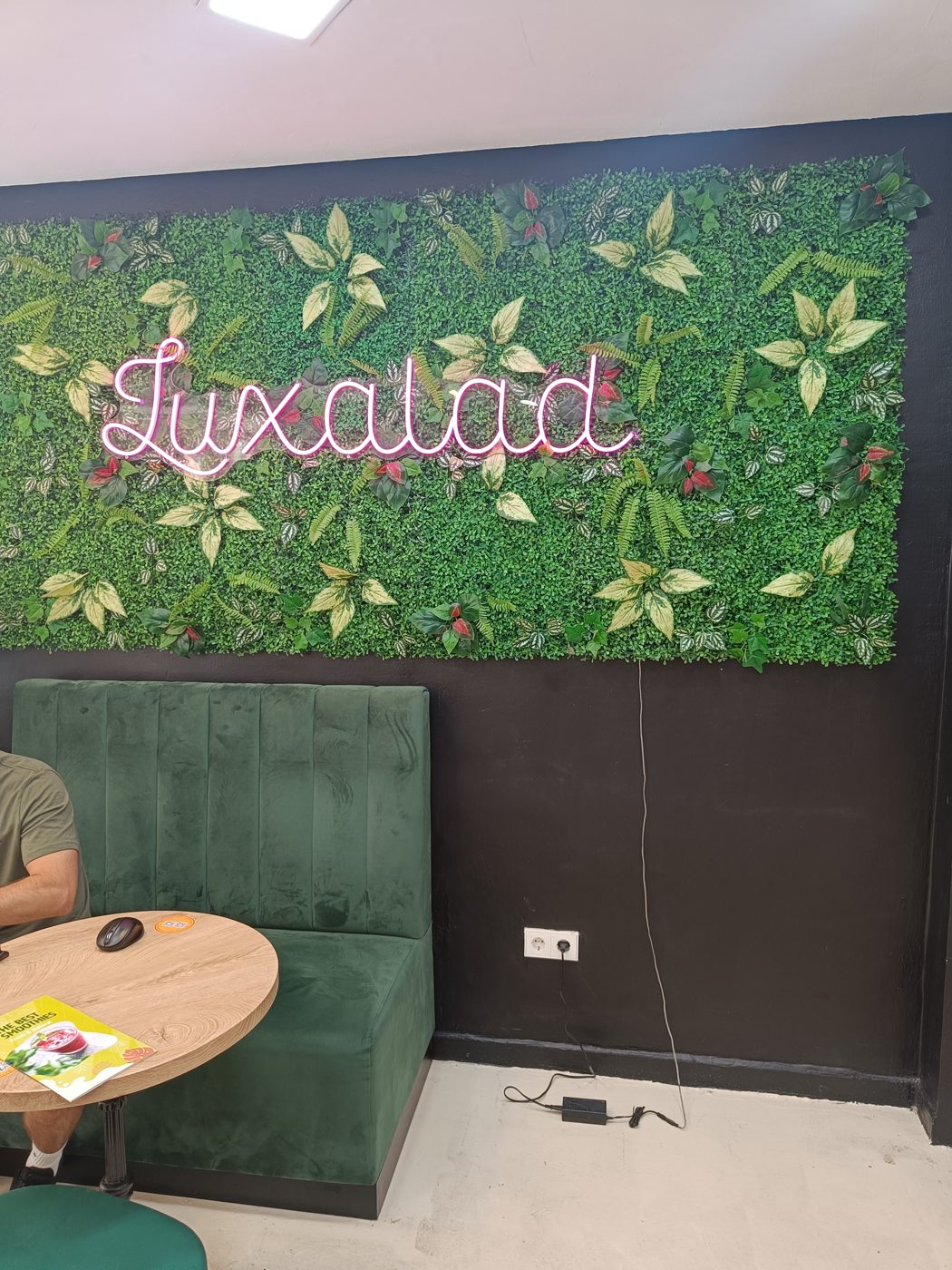
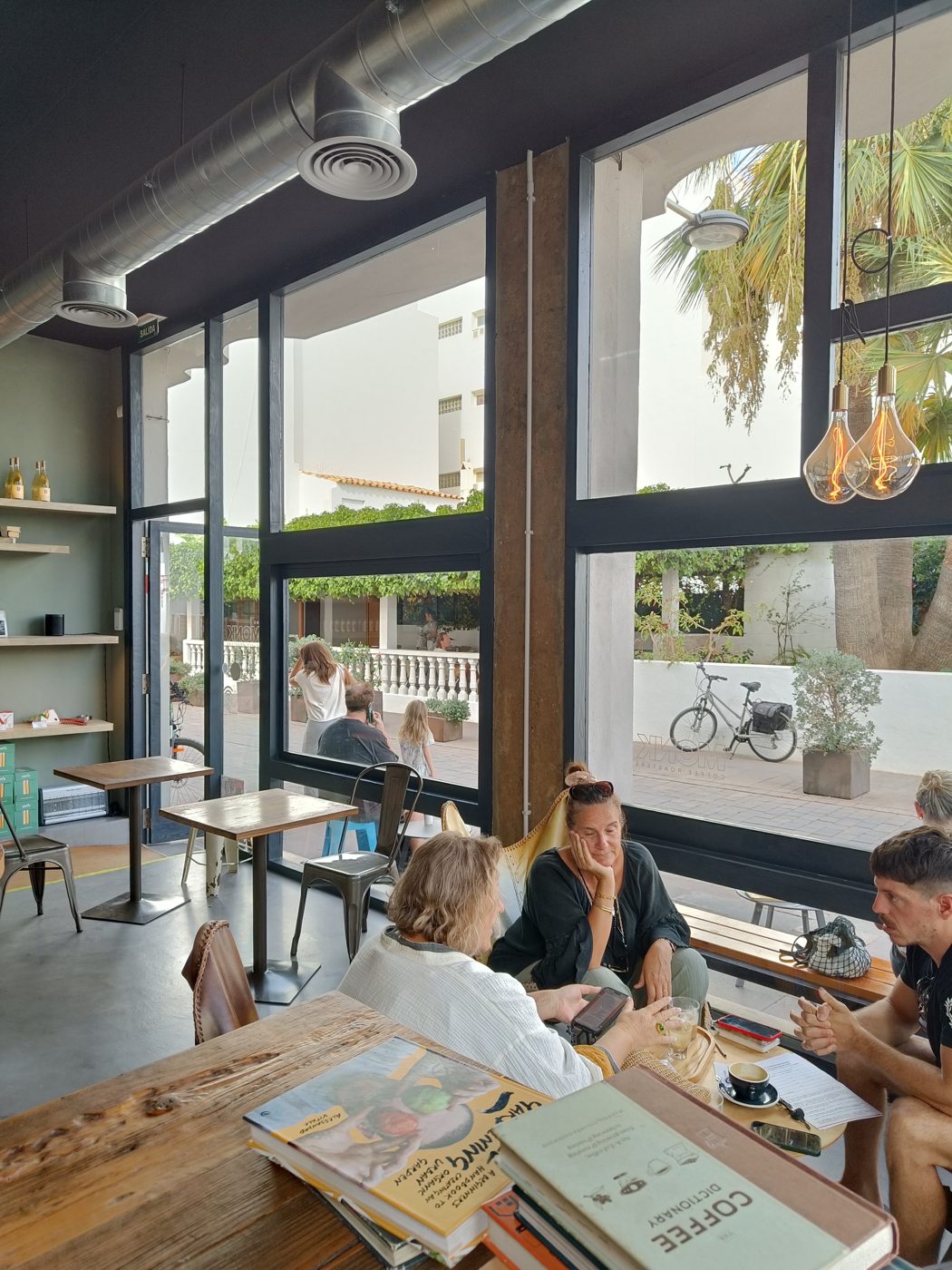
The fieldwork ran across 2025, in coffeetalks at Meke Café, The Monk Coffee Roasters, Luxalad and Project Social, and in daily life on the island between them. What people told me is set down as they told it. What has moved since is in its own section near the end, dated and kept separate.
how I work
I run the Quality of Life Tour, visiting city after city with the same method and the same seventeen questions. Ibiza is different: I don’t visit, I live here. This reading trades the outsider’s six weeks for a resident’s whole year, read back through the same lens.
Observation. Daily life in Jesús and Ibiza Town – the supermarket queue, the quiet October streets once the crowds leave, the “se busca personal” signs that don’t come down. The details that quietly say how life is actually lived here.
Conversations. Coffeetalks, mostly. One person, one conversation, no script and no questionnaire. That’s deliberate: a survey only gives back the questions you arrived with. Not one of these five signals would have been on a form.
Immersion. This isn’t fieldwork I can leave. I’ve lived through the seasons this reading describes – the summer nobody can find a room, the October quiet, the winter income gap.
I spoke with people across four coffeetalks this year – at Meke Café, The Monk Coffee Roasters in Santa Eúlaria, Luxalad in Eivissa, and Project Social in Santa Eúlaria – plus the conversations that come from actually living on the island, in English and in Dutch.
How the signals were made
Everything is tested three ways – what people told me, what I noticed living here, what the published data shows. Nothing becomes a signal on one source alone; two must agree. Where they conflicted, I’ve said so. Every figure is labelled Ibiza, the Balearic Islands, or Spain, because much of the published data exists only at island or national level, and a national number shouldn’t be made to prove an Ibiza point on its own.
The limits. I am not a visitor here, which cuts both ways. It means I’m not reading the island cold, but it also means I’m too close to some of it to see it plainly. Almost all of my conversations ran in English or Dutch, which tilts the sample towards residents and newcomers who speak one of those – away from Ibicenco families who don’t. Where that matters to a signal, I’ve said so.
The seventeen questions are the 17 Living Goals – plain directions for what a good life needs, grouped into four pillars: Live Good, Work Good, Feel Good, Do Good. No targets and no score. One question, asked seventeen ways: does this make life better to live? Each signal opens by naming the goals it sits on, and the reading closes by setting Ibiza against all four pillars. The full list is at businesshippie.club/the17livinggoals.
01 · Signal
no room, no staff, no argument
Seen through the 17 Living Goals01 A life with dignity, for everyone02 Basic living conditions for everyone
Ibiza has the rents of a capital city and the wages of a seasonal island. Something has to give, and it’s never the rent.
The sentence I heard most often this year wasn’t about music or freedom. It was about rooms. No rentals available, so a business can’t hire. A flat that was €900 two summers ago, asking €1,600 now. People who work here and can’t live anywhere near where they work.
What I noticed
- Long-term listings gone by June; what’s left over summer is short-let, priced for a tourist week rather than a local wage.
- Owners naming the same problem unprompted, before I’d asked about housing at all: fewer staff every season, not because nobody wants the work.
- “For sale” boards on buildings nobody local can afford, near “se busca personal” signs nobody can fill.
What people told me
“No rentals available, so we’re not hiring.”
“If living here becomes impossible, I’m gone.”
What kept coming up
Housing and work came up as one problem, not two. Nobody separated “I can’t find a flat” from “I can’t take the job” – on Ibiza they’re the same sentence. And nobody expected it to be fixed. The question wasn’t whether the island would build its way out of this; it was how long each person personally had left before the maths stopped working for them.
What the context says
Ibiza & Formentera · who owns the housing
The Balearic Islands · the wage against the room
What this tells me
The two housing numbers above don’t agree, and that’s the finding. Counted one way, foreigners own under a fifth of Ibiza’s homes. Counted the other, they own nearly half. Both are true at once, because a lot of Ibiza’s housing sits inside companies rather than people, and that’s exactly the layer a resident can’t out-argue or out-bid.
Meanwhile the workers holding the season together are chasing four rooms in April and none by June, on a wage that was fixed months before the rent was. Nobody I spoke with was asking for the island to get cheaper. They were asking for enough rooms, at any price, that a wage could actually reach one.
This isn’t a housing shortage in the way a city runs out of flats. It’s a housing market built for a different buyer than the person who needs to sleep near their job.
A question worth asking
For anyone who owns a second home here that sits empty most of the year:
what would it take for you to rent it to someone who works on this island, at a price their wage can reach?
02 · Signal
less must, more may, and nothing underneath it
Seen through the 17 Living Goals10 Feeling alive, not just functioning14 A say in your own life
People come here to stop performing. What they find is that nobody is going to build the floor under them either.
Ask anyone who moved here why, and freedom comes up before beauty. Less pressure, less structure, fewer people telling you who to be. It is real, and it’s the reason most of the people I spoke with are still here.
What I noticed
- Conversations that open with what someone left behind – a job, a mortgage, a version of themselves – before a word about what they came for.
- A visible discomfort with structure of any kind, even the useful kind: forms, schedules, plans made more than a week out.
- The same freedom that draws people here offering nothing in its place once the initial relief wears off.
What people told me
“You can be yourself here – your own individual.”
“There’s less social pressure here than in the Netherlands. Less must, more may.”
What kept coming up
Everyone described the freedom the same way: as an absence – less pressure, fewer rules, nobody watching. Almost nobody described what replaces the structure once it’s gone. Freedom on Ibiza is a subtraction, not a design, and a subtraction has no ceiling. It wasn’t clear from these conversations where “less must” stops and drift starts, and most people hadn’t asked themselves that question either.
What the context says
The Balearic Islands · a region built on reaching its own limit
The same instinct shows up island-wide: tourist taxes, short-let limits, vehicle restrictions for non-residents – all aimed at the visitor’s freedom, not the resident’s. Nobody I spoke with connected the two, but it’s the same pattern: an island that expanded without a frame, now bolting one on, late.
What this tells me
The freedom people describe and the freedom the island has run on turn out to be the same freedom, at different scales. Loose rules drew residents in the same way they drew flights in – gradually, then all at once, with no plan for what happens when the space runs out.
The island is now building a frame, but only around tourism: caps, taxes, limits. Nobody is building one around the personal side – the loneliness, the drift, the slow financial erosion that comes from a life with no must in it. That part is still left entirely to the individual, the same way it always was.
A question worth asking
For anyone who came here for the freedom:
what’s the one piece of structure you’d actually want back?
03 · Signal
you’re in fast, and gone just as fast
Seen through the 17 Living Goals13 Belonging in an age of disconnection17 Belonging to a larger whole
It takes about one coffeetalk to belong here. It takes a housing contract to stay.
Ibiza is generous with belonging. Sit down once, and you’re in – open, warm, no vetting. What the island doesn’t offer is a reason, or a way, to still be here in three years.
What I noticed
- Rooms full of people who met each other this season, talking like they’ve known each other for years.
- A community built almost entirely from people currently passing through, rather than people who grew up here.
- The same faces missing from one coffeetalk to the next – not because they fell out, but because they’d left the island.
What people told me
“There’s a lost generation here – caught between the old Ibiza and the new one, with nothing in between.”
“The population here is either single people or families. Almost nothing in between.”
What kept coming up
Belonging and staying came up as two completely different questions. Nobody struggled to feel part of something here. Everyone struggled to plan a future here. The social fabric is real – built on the old hippie instinct to include people fast – but it’s stitched from people who, by definition, might not be here next season. Warm and thin at the same time.
What the context says
Ibiza · a record population, built on arrivals
What this tells me
A place can’t be held together by people who are, on average, newer to it every year. What I found isn’t a community failing to include people – it’s the opposite, a community that’s almost too good at including people, and running on that instinct instead of on anything that would make people stay.
The “lost generation” people named to me isn’t lost for lack of belonging. It’s stuck between an old Ibiza it can’t fully join and a new one it can’t afford to build a future in. Quick belonging is real and worth having. It just isn’t the same thing as roots, and the island currently has plenty of one and very little of the other.
A question worth asking
For anyone who felt instantly at home here:
what would it actually take to still be here in five years?
04 · Signal
the napkin agreements are gone, the families aren’t
Seen through the 17 Living Goals09 A fair exchange for your time15 Progress that feels human
Twenty-five years ago, Ibiza ran on loose agreements written on a napkin. The napkins are gone. The families who held them are still holding the island.
Ask who really runs Ibiza, and the answer comes fast and consistent: a handful of families, plus the money that’s arrived since. It’s a claim I heard often enough to record as a signal, and specific enough that I can’t independently confirm it.
What I noticed
- The same handful of surnames attached to land, clubs and hospitality groups, across completely unrelated conversations.
- Long-time residents describing the island’s early development in the past tense, as something that happened to people rather than something they negotiated.
- A visible gap between who works the island’s economy and who is understood to own it.
What people told me
“Twenty-five years ago there were no limits – just loose agreements, written on a napkin.”
“The real power on Ibiza is with a few mighty families.”
“Fifty years ago, ibicencos sold their land and their properties for almost nothing.”
What kept coming up
The story people told me about power on Ibiza was consistent, and almost always secondhand – heard from someone else, told as settled fact. Nobody offered documentation, and a coffeetalk isn’t built for asking for it. What’s verifiable is the pattern around it: an island where land changed hands cheaply a generation or two ago, and where the capital arriving since has concentrated rather than spread.
What the context says
The Balearic Islands · wealth in, without much spreading
What this tells me
I can’t hand anyone reading this a register of who owns what. What I can say is that the claim about a few families wasn’t offered once, defensively, by someone with a grudge – it came up unprompted, from different people, in different rooms, as background fact rather than complaint. That pattern is real even where the specifics aren’t mine to verify.
What the numbers add is the shape of the outcome, not the cause: money above the Spanish average, sixth of nineteen regions. Wherever that money goes, it isn't reaching the person renting the room above the bar.
A question worth asking
For anyone holding land or a business here that’s been in the family for generations:
what would you actually want the next generation of Ibiza to look like?
05 · Signal
happiness first, and you build the rest yourself
Seen through the 17 Living Goals07 Work that supports life, not drains it12 Time to truly live
Quality of life on Ibiza is good. Nobody hands it to you. You build it yourself.
Ask people here to rank what matters, unprompted, and the order is oddly consistent: health first, then contribution, then housing, then work. It’s the reverse of how most places are built, and it’s the clearest thing I found all year.
What I noticed
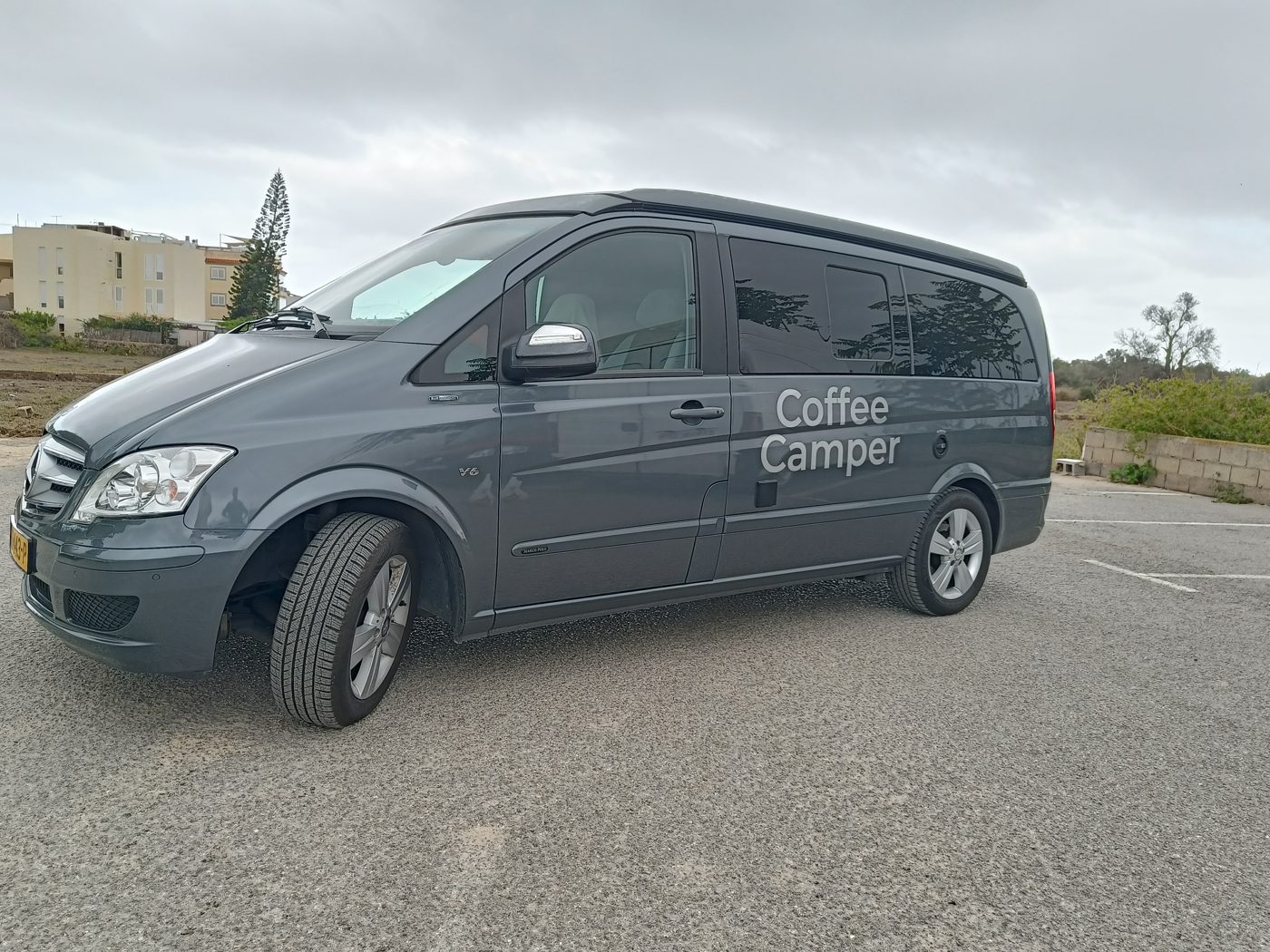
- People building small, personal, slightly improvised businesses – a camper van serving coffee, a one-person practice – rather than climbing an existing ladder.
- Health named first and without hesitation, ahead of money, work or status, in almost every conversation about what actually matters.
- A recurring shrug at the idea that success comes before happiness, as if the order were obvious.
What people told me
“Happiness creates success. I’m successful when I’m happy.”
“Quality of life is good on Ibiza, but you have to do it yourself.”
What kept coming up
The same personal ranking, roughly in the same order, from people who’d never compared notes: health, then contribution, then housing, then work. Nobody put work first. Several people were visibly surprised I’d even ask, as if a different order would be the strange answer. Quality of life here isn’t handed down by an employer, a landlord, or the island itself – everyone I spoke with had built their own version of it, deliberately, on top of a system that offers very little structure to build on.
What the context says
Spain · satisfied, but not rushing
What this tells me
The ranking people gave me – health, contribution, housing, work – isn’t a rejection of ambition. It’s a redesign of it. Nobody described giving up. They described putting work fourth on purpose, and building the other three themselves because nothing on the island was going to do it for them.
That self-built quality of life is the real thread under all five signals. Housing, freedom, belonging, power – on every one of them, the island offers very little structure and a lot of room to improvise. The people who do well here aren’t the ones who wait for that to change. They’re the ones who stopped waiting.
A question worth asking
For anyone who’s built their own version of quality of life here:
what’s the one thing about it you wish you didn’t have to build alone?
The method, in full
the four pillars
Every reading on the Quality of Life Tour gets the same seventeen questions, and those questions group into four parts of a life: Live Good, Work Good, Feel Good, Do Good. That’s the method, and this is the page where it’s set out in full.
The five signals were the patterns that kept coming back. They aren’t the whole reading. I put all seventeen questions to Ibiza, sorted into the four pillars, and a shape appeared that I wasn’t looking for.
On three of the four pillars, whatever the island doesn’t provide, people quietly build themselves. On the fourth, that stops working.
live good
- What holds:
- the light, the sea, a slower rhythm most of the year, and a culture that still runs on wells, church squares and small crafts underneath the tourism.
- What is missing:
- a home a local wage can hold.
- What gets built instead:
- a second income, a room found through a friend, or a personal deadline for when the maths stops working.
work good
- What holds:
- work exists, in tourism, wellness, and a growing creative and freelance scene.
- What is missing:
- stability once the season ends – income that survives winter.
- What gets built instead:
- more than one income, stitched together across the months the island doesn’t need you.
feel good
- What holds:
- freedom, nature, and a permission most people I spoke to said they’d never had anywhere else.
- What is missing:
- the structure that used to catch people when freedom tips into drift.
- What gets built instead:
- a private ranking of what actually matters – health, then contribution, then housing, then work – that does the job the island won’t.
do good
- What holds:
- fast, warm belonging – sit down once and you’re in.
- What is missing:
- a way to convert that belonging into staying, or into a voice in what the island becomes.
- What gets built instead:
- nothing, usually – this is the one pillar self-reliance doesn’t fix.
Four pillars, and on three of them the missing piece is something a person can build alone: a second income, a private ranking, a room found before the wage runs out. Nobody has to organise with a neighbour or take a business to task to get there, and for most people I spoke with, it mostly works.
On the fourth, self-reliance runs out. Belonging arrives free and fast, but turning it into a voice in what the island becomes isn’t something one resident can build for themselves, however long they stay for coffee. That’s the same gap Signal 04 pointed at: whoever already decides, keeps deciding, and no amount of personal initiative closes that on its own.
That’s the finding underneath all five signals. Ibiza hands out freedom and belonging generously, and leaves everyone to build the rest of a life themselves – which works, right up until the missing piece is a seat at the table.
what I could not settle
This is a year of living somewhere, not six weeks of visiting it, and that has its own blind spots. These stayed open.
Who actually holds the power? More than one person named a handful of families, unprompted. That’s a serious claim and I couldn’t test it – it stays a thing I was told, not a thing I found.
Is the freedom chosen or default? Everyone described less structure as a relief. Nobody described what replaces it. I couldn’t tell whether the absence of structure is what people actually want, or just the only version of Ibiza currently on offer.
How much of this is my own bias? I live here, in English and Dutch circles, in Jesús. That’s a specific slice of Ibiza – international, coastal, connected – and it isn’t the whole island. Where a signal leans on that slice more than others, I’ve said so.
What happens after the season? Every conversation this year touched summer directly or in its shadow. I have less to say about deep winter, when the island empties and a different, quieter Ibiza takes over.
what changed since the fieldwork
This reading draws on conversations across 2025. Between then and writing, several things moved that bear directly on it. They’re set out here rather than woven into the signals, so what people told me stays as they told it, and anything that happened afterwards is clearly marked as afterwards.
Rent renewals landed hard. In December 2025, Balearic tenants on contracts signed five years earlier hit their renewal point and found the market rate waiting for them – an average €4,600 more a year, more than double the €1,735 national average increase, affecting close to 70,000 residents across the islands. Signal 01 was written before this landed; it is the housing pressure, arriving on schedule.
The overtourism response got teeth. In April 2026, the Balearic parliament passed a law claiming authority over airport fares, frequencies and capacity – aiming, for the first time, at an actual ceiling on flights rather than another tax or limit on the visitor side. It still needs approval from Spain’s national parliament. Signal 02 was written before this; it’s the frame finally being built, aimed at tourism rather than at residents.
The housing figures got a face. In January 2026, Ibiza and Formentera’s Real Estate Cadastre confirmed what conversations all year had implied: foreign ownership at 48% counting companies, 19.9% counting individuals. Both numbers are now public, and both are quoted by different sides of the same argument.
The worker housing crunch tightened further. By March 2026, one union was fielding 15–20 daily calls from workers who couldn’t find anywhere to live, and long-term rental searches were returning zero results for the summer months. What was a recurring complaint in 2025 conversations had become a documented shortage by the time this was written.
Four changes, and three of them confirm what people told me rather than contradict it. That’s unusual for this kind of gap, and worth saying plainly: the island moved in the direction the signals already pointed.
Not part of the reading
Everything above this line is what I found. Everything below it is what I think might help, which is a different kind of claim. Ibiza will know things I cannot. These are here to be argued with, which is more use than another description of the problem.
where this points
Reading Ibiza this way left me with more than a description, so I built on it. Two ideas below came directly out of what people described needing, not out of a plan I arrived with.
Both are worked out properly at businesshippie.club/quality-of-life-solutions. Neither exists yet.
closing reflection
Ibiza is a good place to live. The light, the sea, the ease of a conversation with someone you’ve just met – all of that is real, and none of it is in question.
What’s in question is whether the people who make that life possible – the ones renting the rooms, filling the shifts, holding the coffeetalks together – can actually afford to stay in it.
I came into this year already living here, so I didn’t expect to be surprised. I was surprised anyway, by how consistent the answers were. Five signals, and almost everyone who touched on any of them landed in roughly the same place: freedom is real, structure is missing, and building the difference yourself is simply what living here costs.
That’s not a complaint from the island. Nobody I spoke with was angry. They’d found their own way through – a second income, a room found through a friend, a personal ranking of what actually matters. Ibiza doesn’t have a loud problem. It has a quietly self-sufficient one, and quiet is easy to mistake for fine. The one thing self-sufficiency can’t buy anyone is a say in who decides what happens next – and nobody I spoke with had found a private way around that.
I’d rather be corrected than agreed with.
thank you
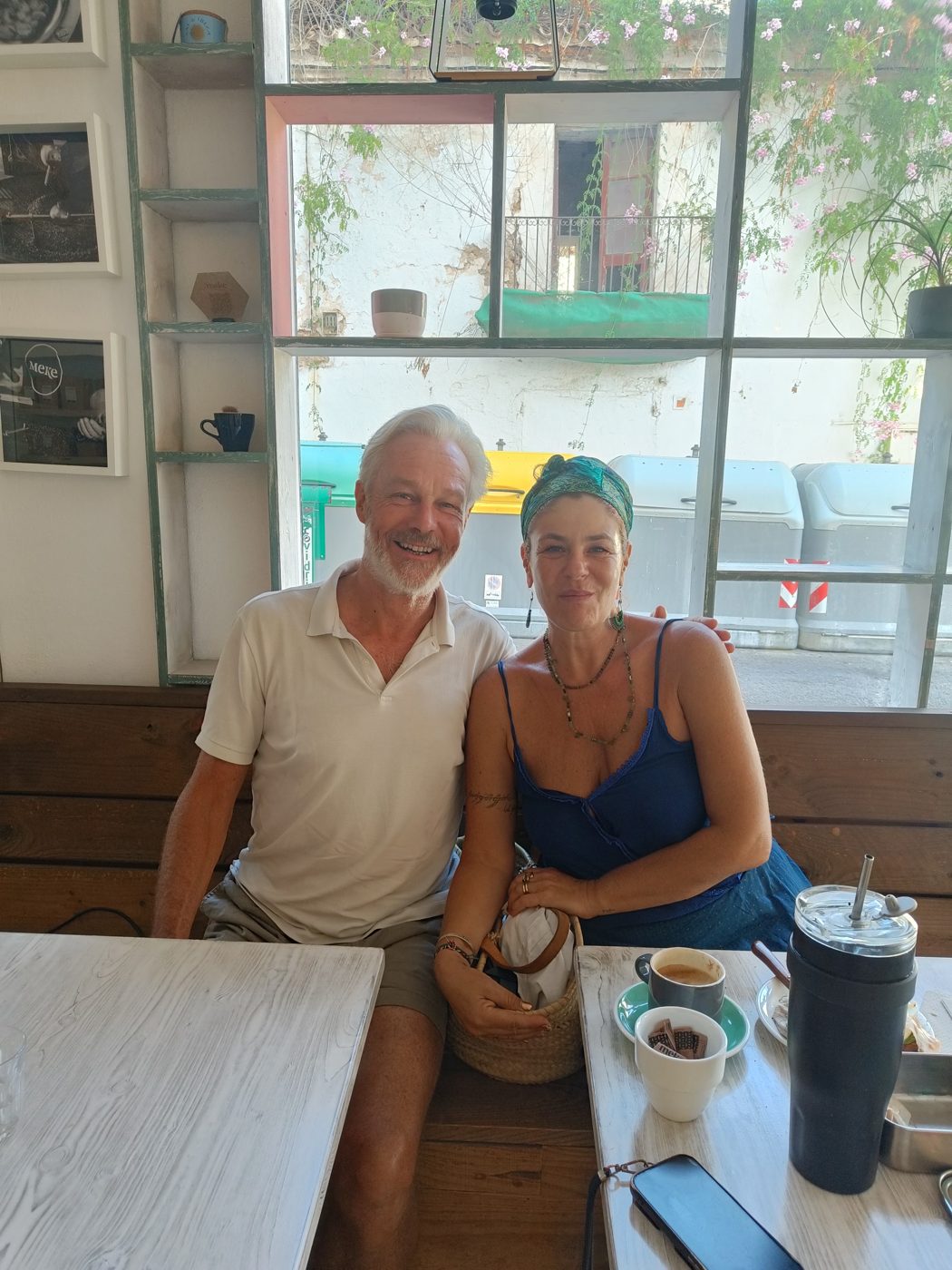
This reading exists because people gave me their time and their honesty, usually over coffee, usually with nothing to gain from it.
Thank you to everyone who sat down across four coffeetalks this year and answered questions about their own life without flinching – at Meke Café, The Monk Coffee Roasters, Luxalad and Project Social – and to everyone in between who talked to me simply because I live here too.
Nothing here would exist without you. If I’ve read you wrong, that’s mine.
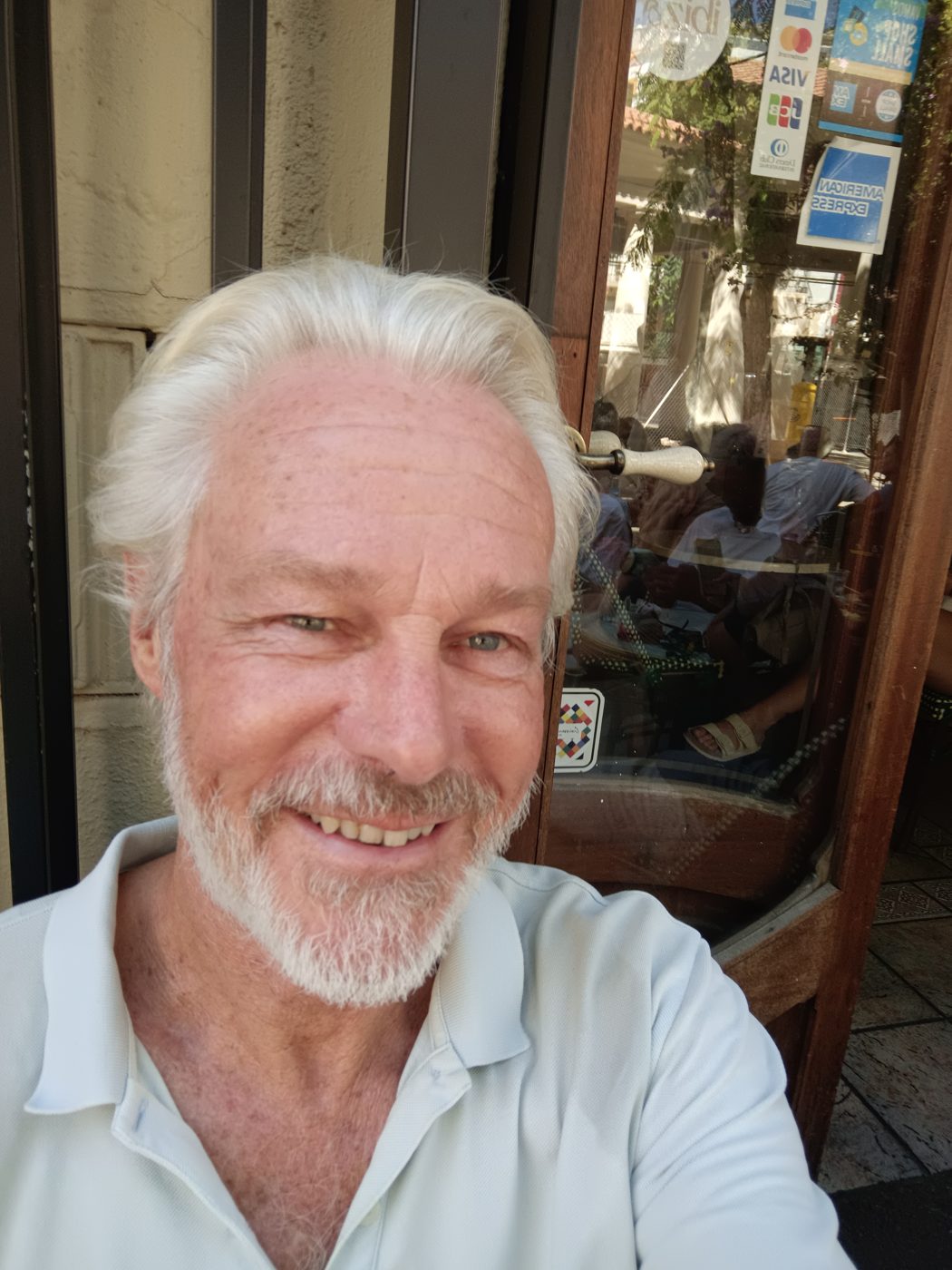
 Hans van de Rakt · Business Hippie Club
behind this reading
The 17 Living Goals are free to use, with credit: businesshippie.club/the17livinggoals
See the QOL creations – concepts like the two above, worked out properly, at businesshippie.club/quality-of-life-solutions
If you work on any of this – housing, tourism policy, hospitality on the island – I’d like an hour and a coffee. contact@businesshippie.club