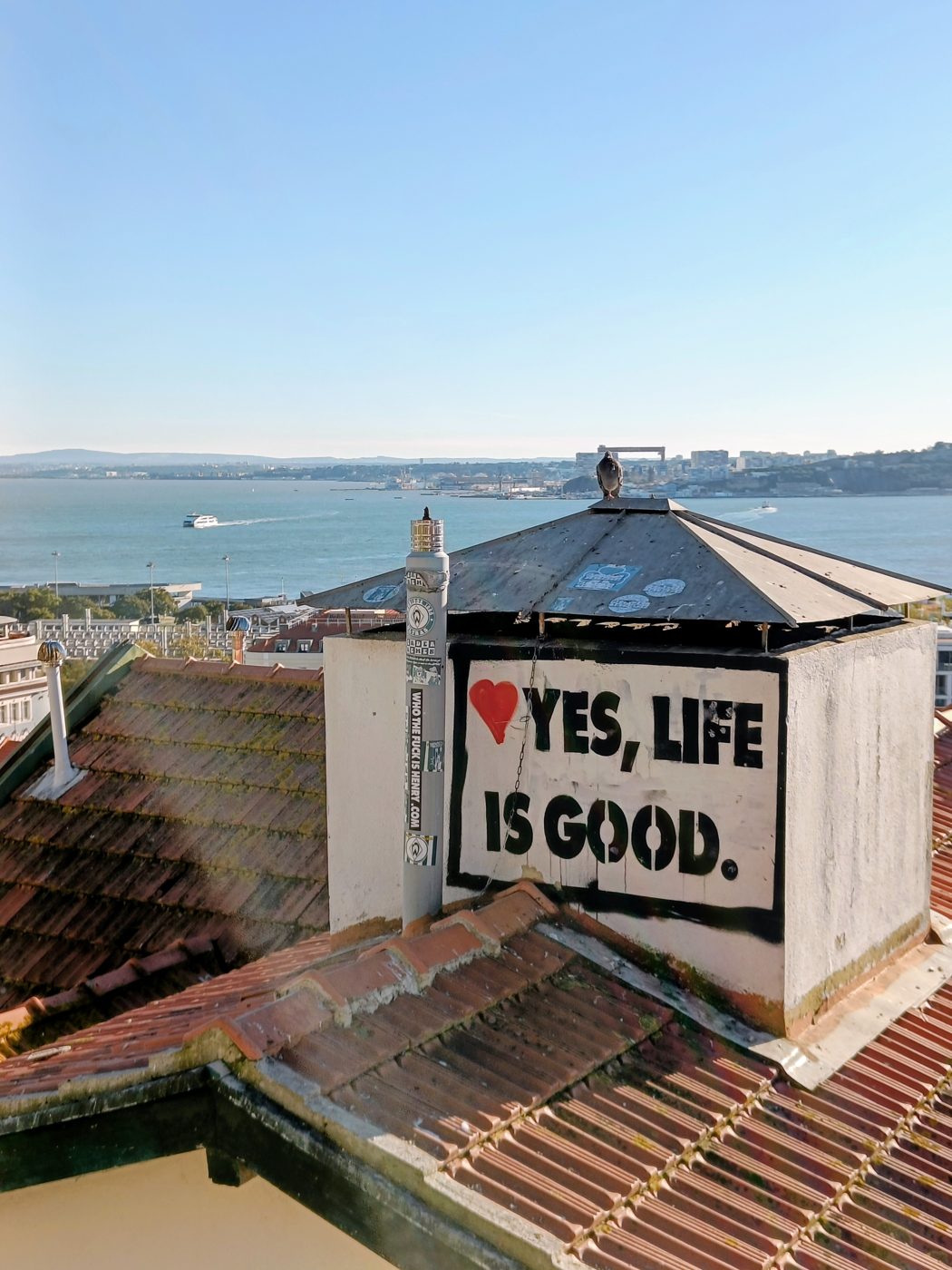

about this reading
Lisbon has spent a decade being told it is a success. Tourism records, international capital, remote workers, retirees, students. Rankings that put Portugal high on safety, on human development, on quality of place. A city that looks, from outside, like it won.
I went to find out whether the success reaches the kitchen table. The waitress. The nurse. The shopkeeper. The thirty-year-old deciding whether to stay.
Five signals out of six weeks of conversations. I kept the ones that came up most often, and among those, the ones that touched several parts of life at once.
A signal is not a problem to solve. It is not a conclusion either. It is a pattern that kept coming back, and it explains part of how life here is actually lived.
The five signals turned out to share one shape, which I did not go looking for. It is set out after the signals, under the four pillars.
What is Lisbon telling us about quality of life?
The fieldwork ran in November and December 2025. What people told me is set down as they told it. What has moved since is in its own section near the end, dated and kept separate.
how I work
I run the Quality of Life Tour, visiting city after city with the same method and the same seventeen questions. This time, Lisbon. This is field research, not market research. Nobody was surveyed and nothing was sampled. It is one city, read from the outside, in real life.
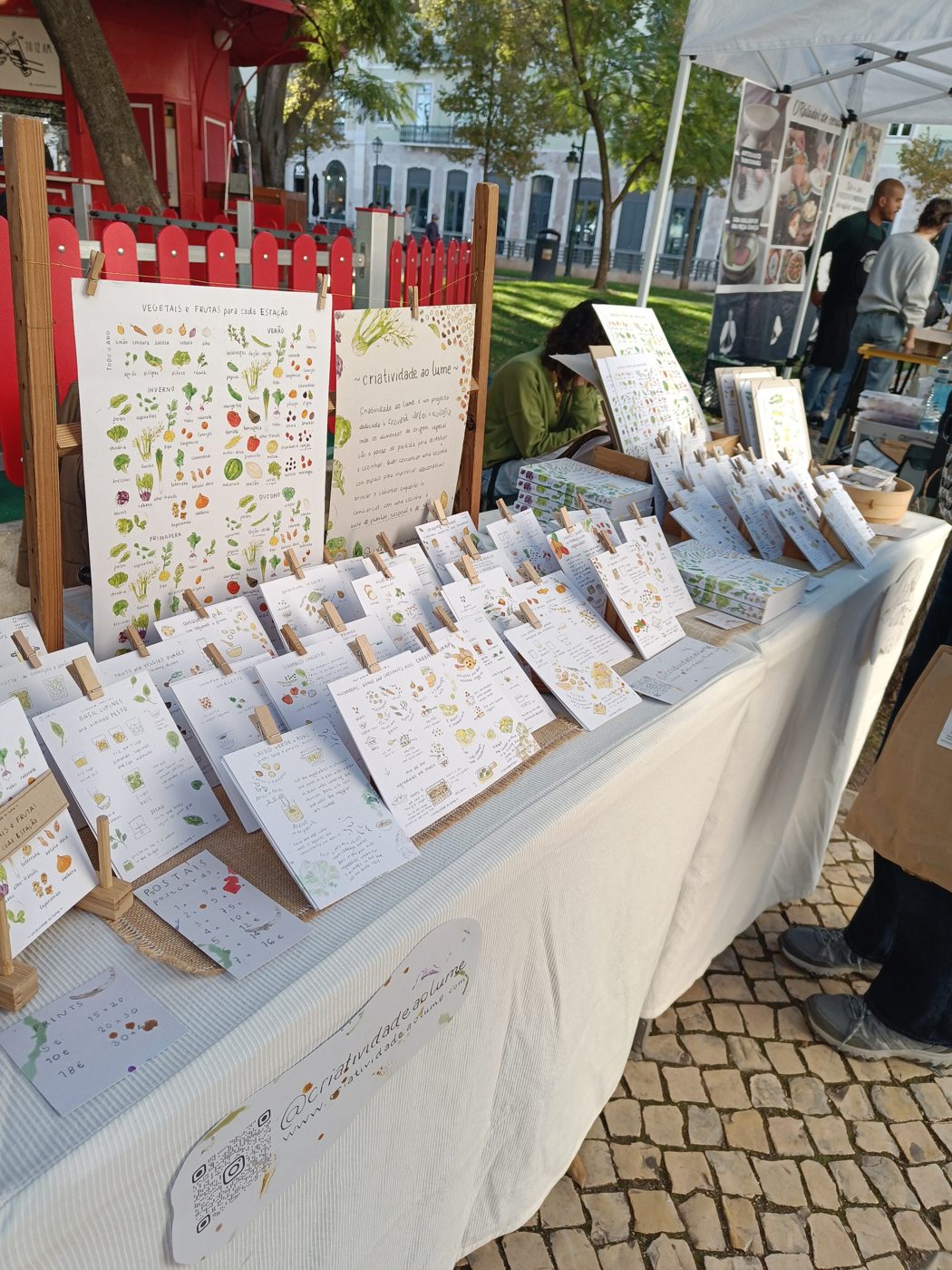
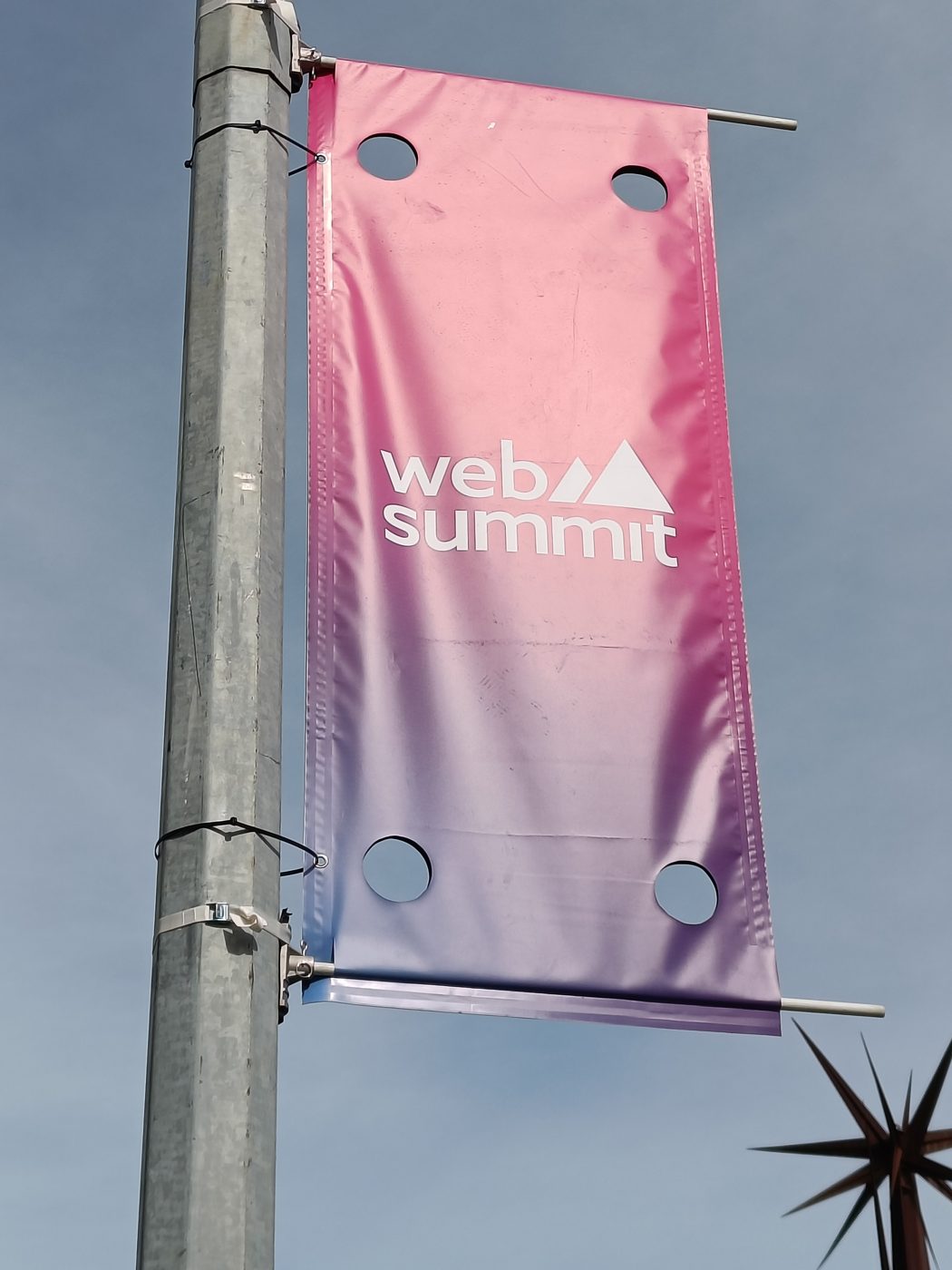
Observation. Streets, neighbourhoods, venues, and events large and small – from a neighbourhood market stall to Web Summit, which brought 70,000 people from more than 150 countries into Parque das Nações in the first week of this fieldwork. The details that quietly say how life is lived there.
Conversations. Coffeetalks, mostly. One person, one conversation, no script and no questionnaire. That is deliberate: a survey can only give back the questions you arrived with. Not one of these five signals would have been on the form.
Immersion. Time inside someone's routine – part of a workday, a walk with someone who knows the place.
I spoke with waiting staff, community managers, a dancer, a corporate leaver turned founder, two engineers building a wind turbine in a garage, a cooperative, hotel and hospitality workers, and long-settled foreigners who arrived when it was cheap.
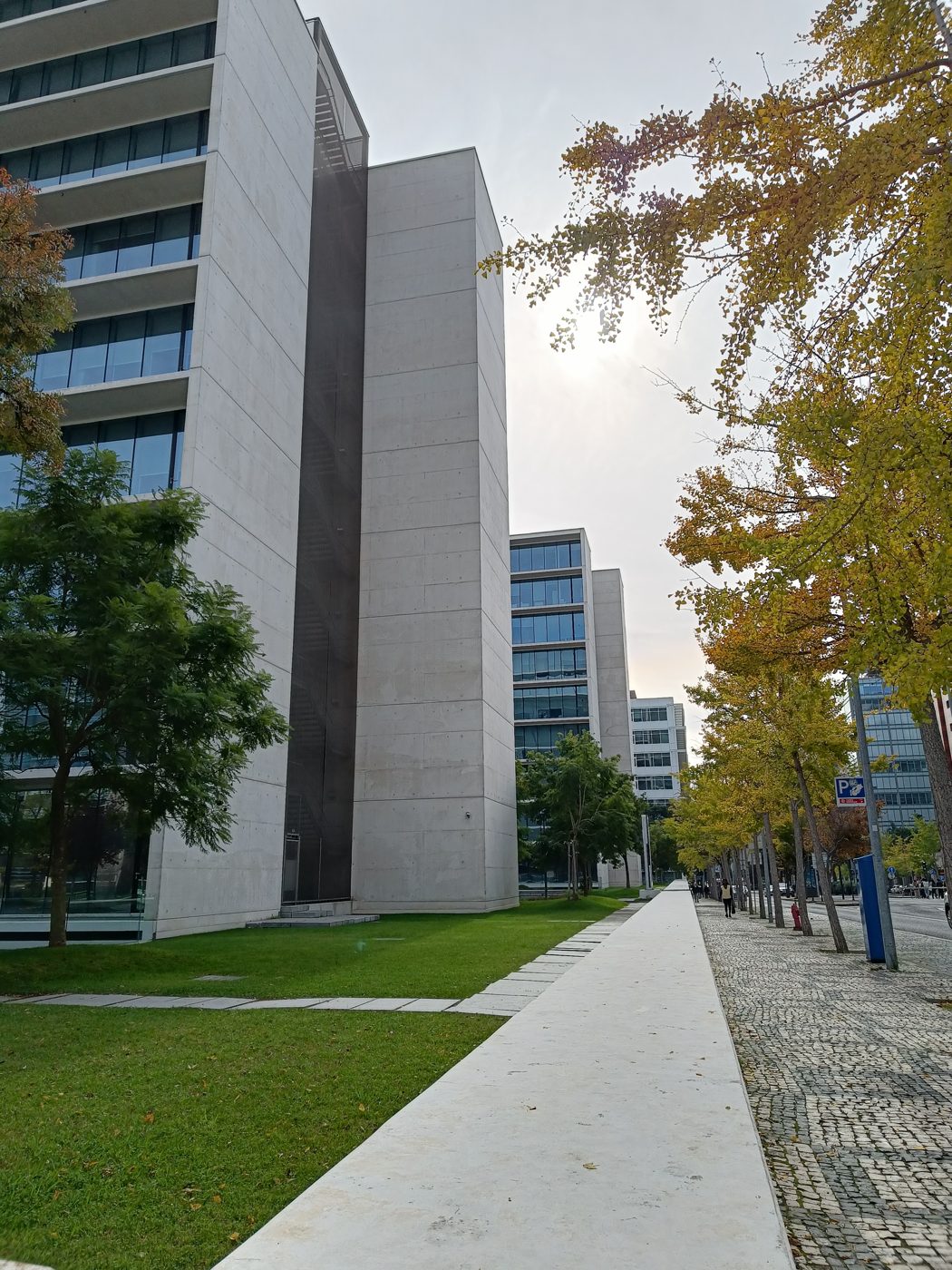
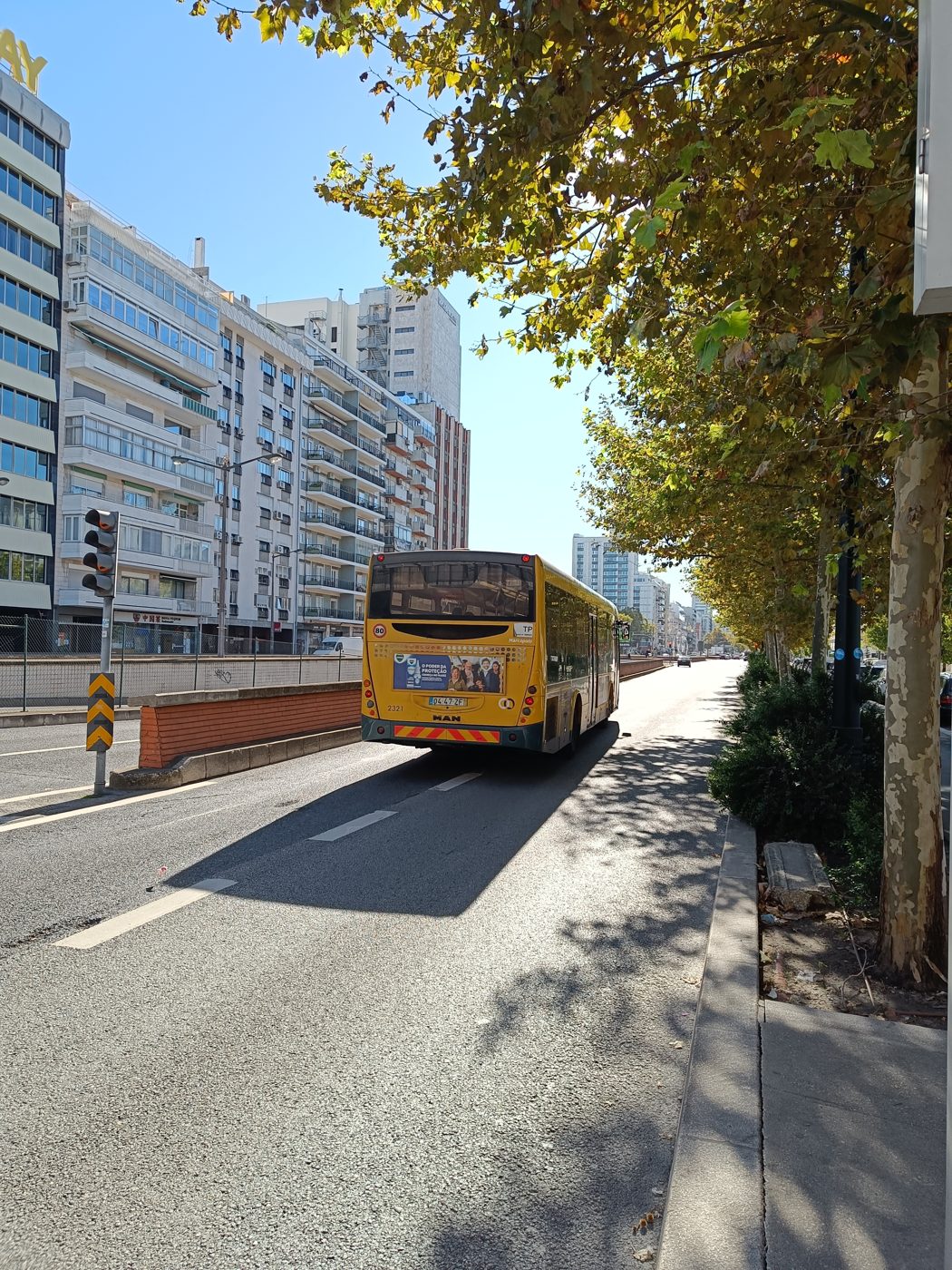
I stayed outside Lisbon and travelled in every day, which is how a large part of the workforce lives. That put me on the trains and buses with the people this reading is about, and it reached the centre, the outer neighbourhoods and the coast.
How the signals were made
Everything is then tested three ways – what people told me, what I observed, what the published data shows. Nothing becomes a signal on one source alone; two must agree. Where they conflicted I have said so. Every figure is labelled Portugal or Lisbon, because much of the published data exists only at national level, and a national number should not be made to prove a Lisbon point on its own.
The limits. Six weeks is short and I am a visitor. Almost all of it was in English, which tilts a sample towards the people who speak it – younger, better educated and more internationally connected than the city as a whole. Roughly half my conversations were with Portuguese people, so this is a tilt rather than a hole. Where it matters to a signal, I have said so.
The seventeen questions are the 17 Living Goals – plain directions for what a good life needs, grouped into four pillars: Live Good, Work Good, Feel Good, Do Good. No targets and no score. One question, asked seventeen ways: does this make life better to live? Each signal opens by naming the goals it sits on, and the reading closes by setting Lisbon against all four pillars. The full list is at businesshippie.club/the17livinggoals.
01 · Signal
the city is being kept as a frontage
Seen through the 17 Living Goals02 Basic living conditions for everyone11 Equal space to thrive03 Places built for humans
Lisbon is not short of buildings. Lisbon is short of buildings a Lisbon wage can reach.
People named the empty flats to me street by street. A family owns it, nobody lives in it, it is not for sale. Meanwhile the buildings going up are priced for an income nobody earns in this city, and the published figures say the same thing: Portugal has more homes per person than almost anywhere in Europe, and a tenth of them stand empty.
What I noticed
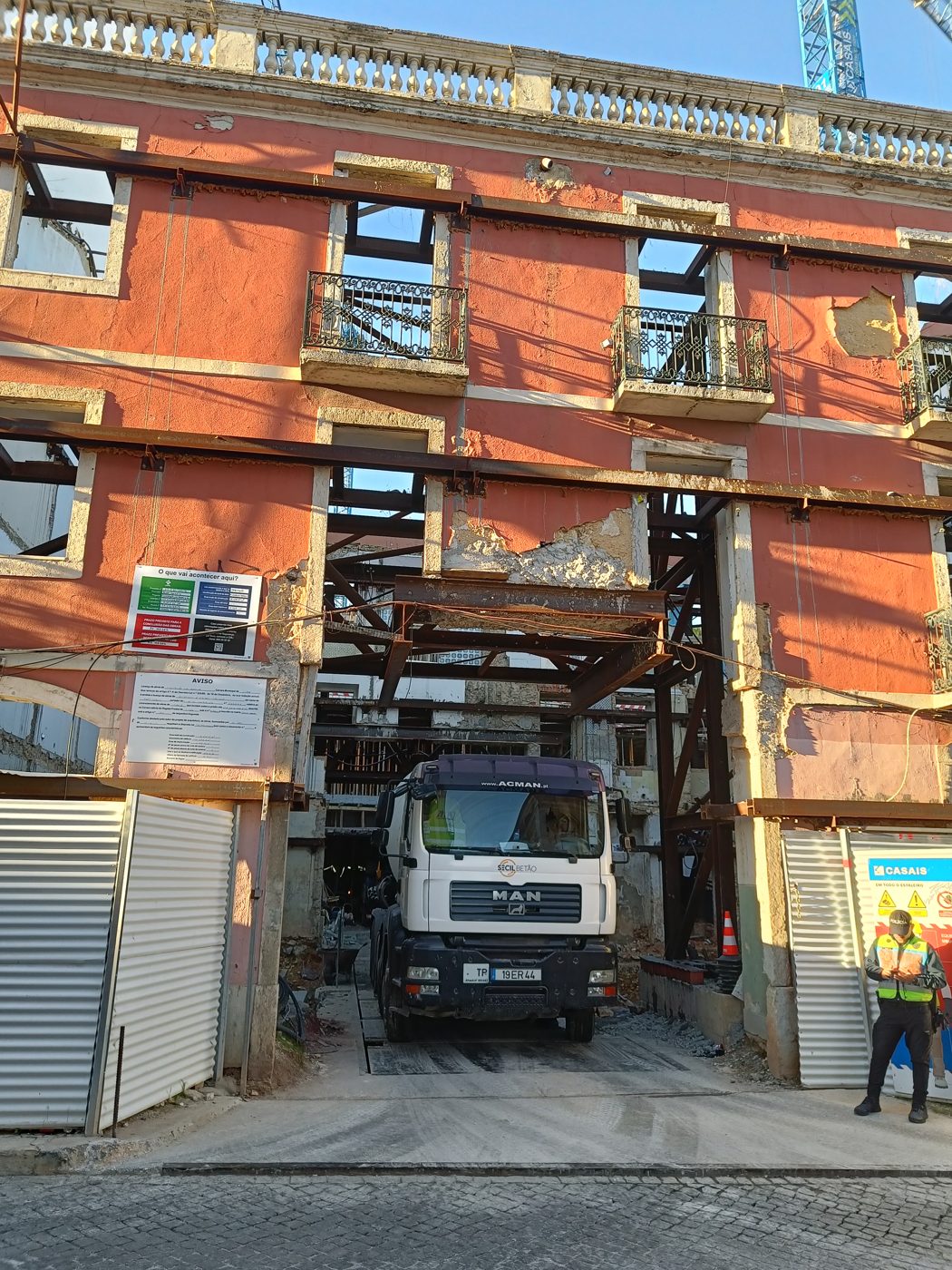
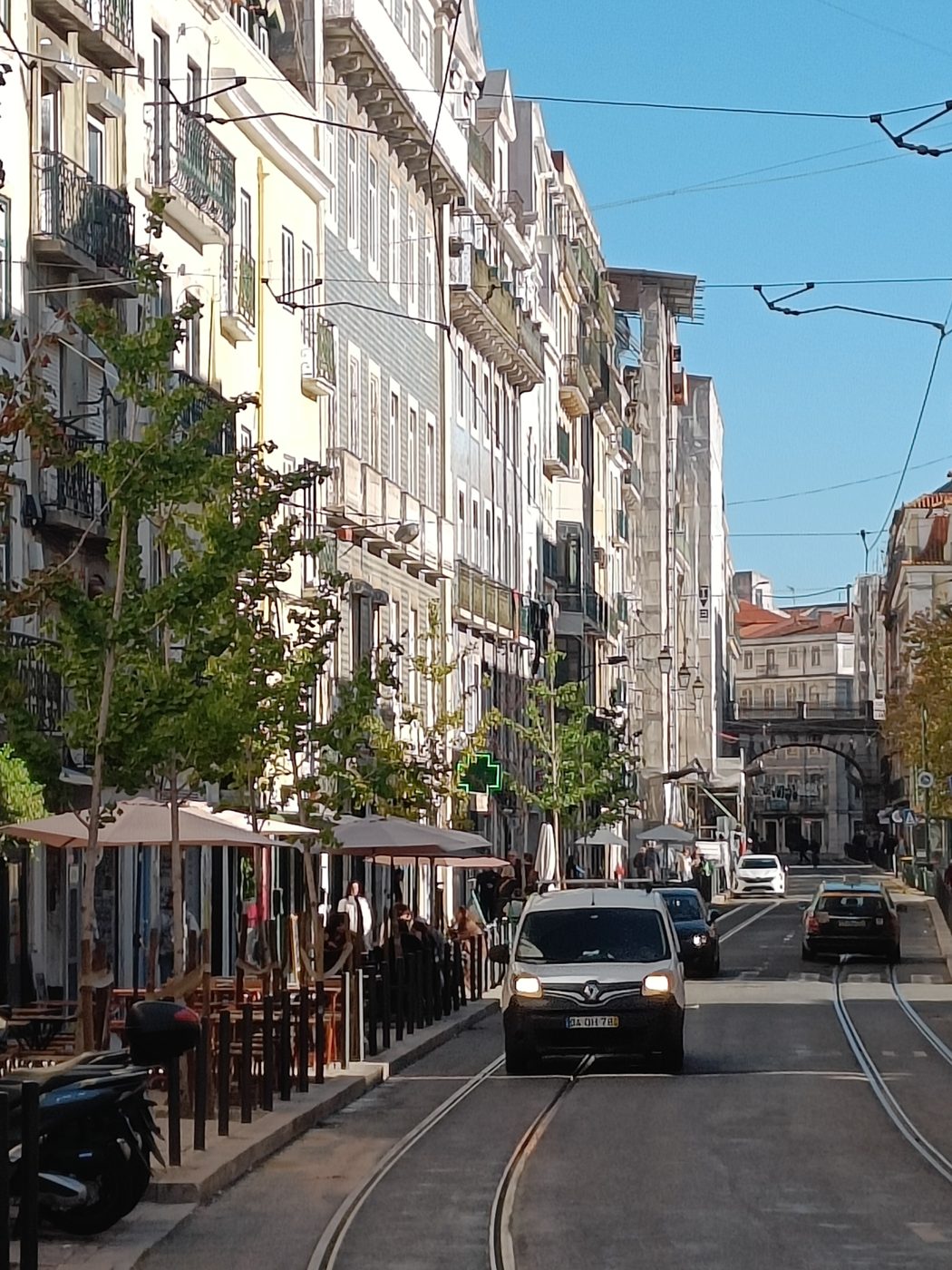
- Old facades held up on steel while everything behind them is demolished, with the planning notice nailed to the front.
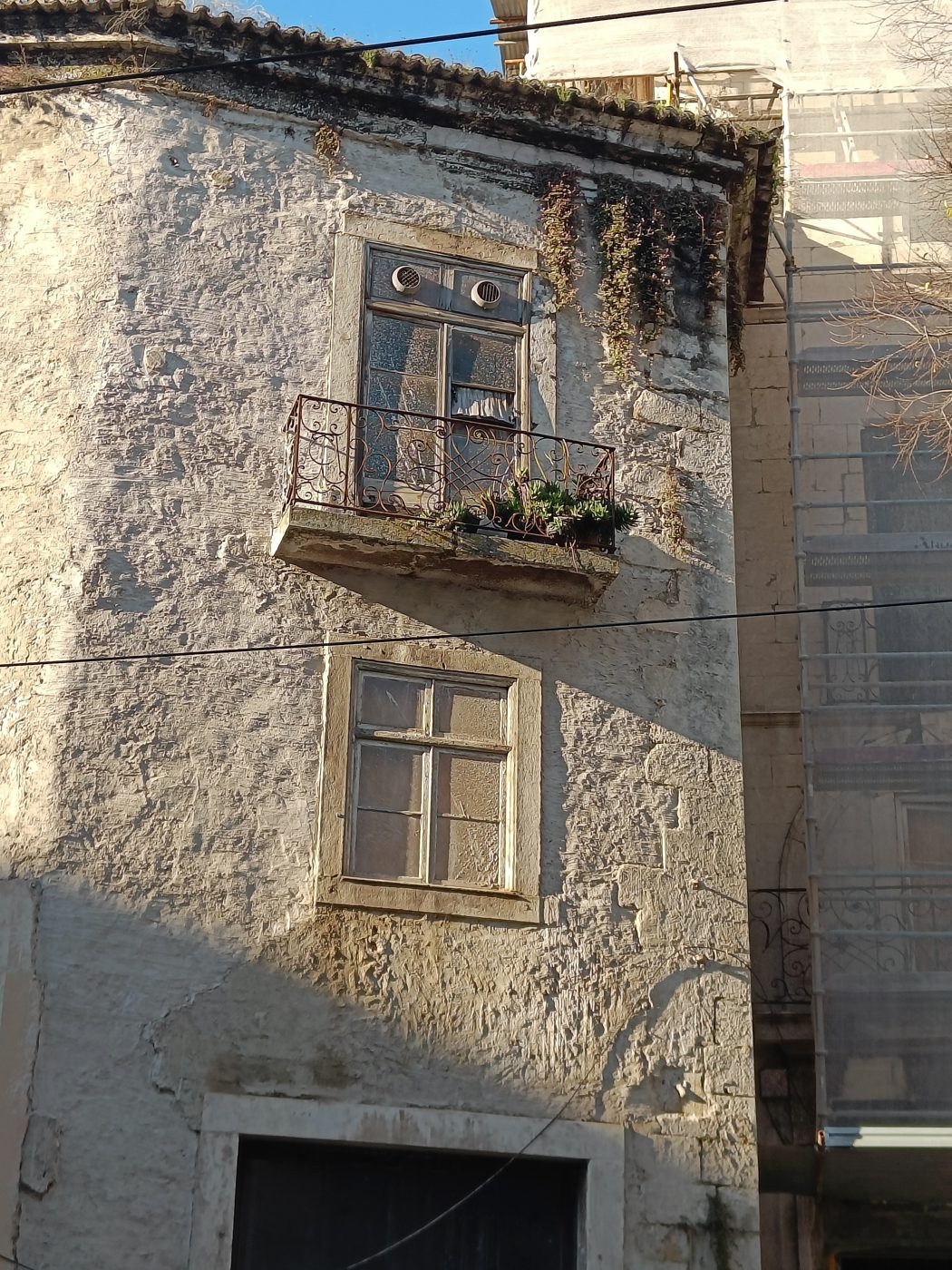
- Buildings with plants still on the balcony and scaffolding rising next door.
- Whole streets of newly built blocks in the towns outside the city.
What people told me
"There are a lot of abandoned houses, owned by families and not for sale."
"One income is not possible. Two is possible. Three or more is not possible."
What kept coming up
Capping. Almost everyone I spoke to, unprompted, proposed the same thing: cap rents, cap short-term lets, so people on local wages can live in decent housing. Nobody proposed building.
The golden visa was named repeatedly as the moment things changed – better for foreigners, worse for locals, and the locals pushed out.
The quality of what is available came up as often as the price. Small, damp, unmaintained, expensive.
Nothing was built after the 2009 crisis, so there is nothing now. Said as a plain fact, by people who had watched it happen.
What the context says
PORTUGAL · MORE HOMES THAN PEOPLE TO FILL THEM
LISBON · CENTRAL DISTRICTS, 2021
Nationally, only 12% of households rent their home, and the social housing stock was among the lowest in the OECD in 2022, at around 0.1% of GDP.
What this tells me
The homes exist. People told me where they are, and the census agrees with them – nearly a quarter of central Lisbon was not somebody's main residence in 2021. They sit empty in families who cannot agree to sell, in holiday flats, in buildings waiting for a decision.
So a cap would miss most of the problem, even though almost everyone I met asked for one. A cap sets the price of flats that are already for rent, and hardly anybody here rents. The empty ones stay empty either way.
The lever nobody mentioned to me is the empty flat itself. Lisbon taxes one at 0.9%, which is low enough that holding it costs almost nothing. The OECD says the same, at greater length.
And look at what is being saved. A front wall propped on steel beams while the rooms behind it are carted away is not conservation, and it does not house anyone. It keeps the look of Lisbon on the street and puts something else behind it.
Nobody I met was fighting about this. They were moving to a cheaper town outside the city and travelling in. That works, which is exactly why the câmara does not hear about it.
A question worth asking
For anyone who owns a flat here that nobody lives in:
what would make you rent it out?
02 · Signal
the wage is a number, not a negotiation
Seen through the 17 Living Goals05 Work that supports life, not drains it07 A fair exchange for your time
Pay here is quoted the way a bus fare is quoted. Not a range, not an opening position. The rate for the job.
Everyone I asked about salaries gave me the same numbers to the euro, and gave them as facts about the world rather than as things they had ever discussed with anyone.
What I noticed
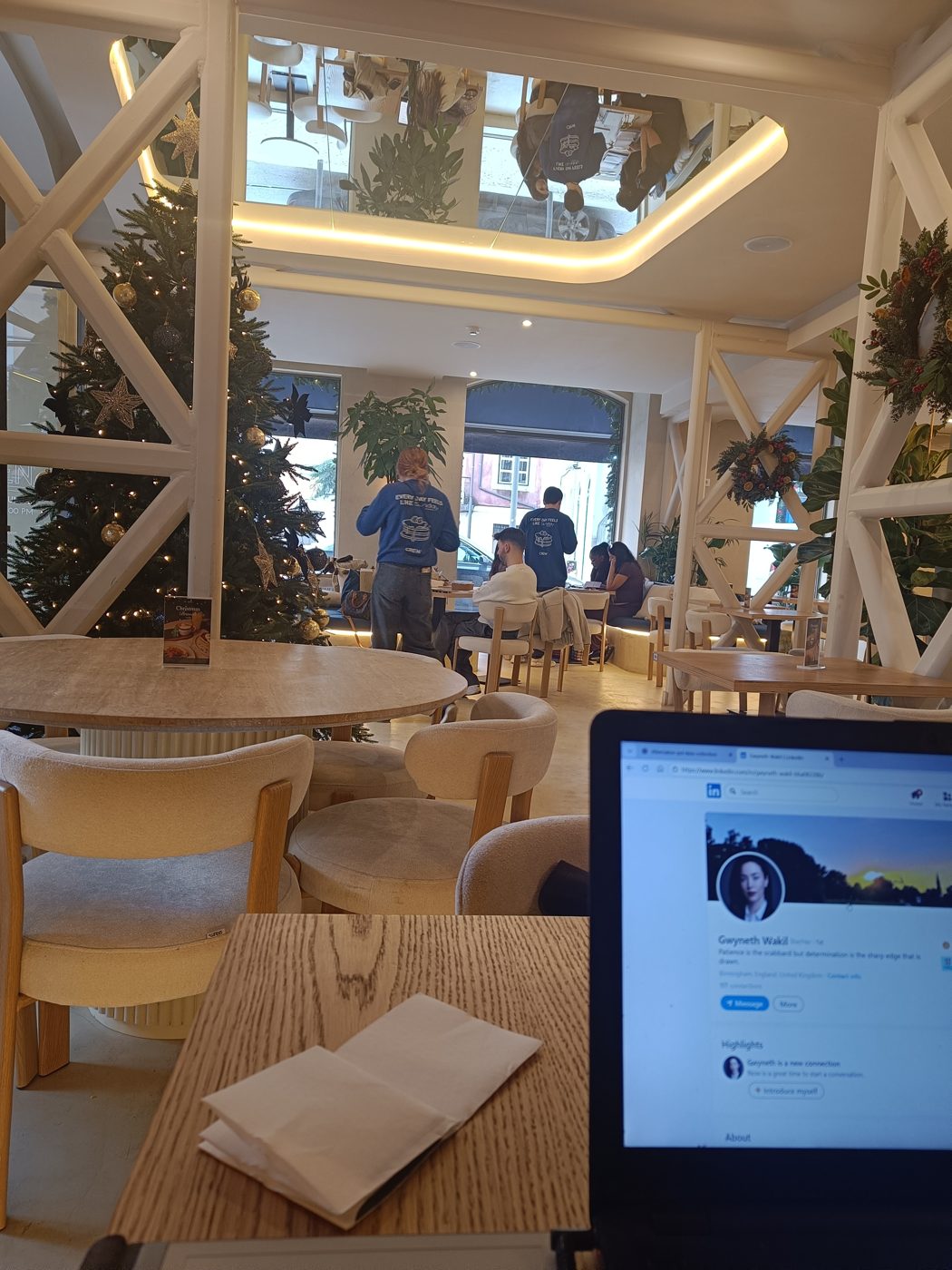
- Staff in branded crew sweatshirts, in a café called Every Day Feels Like Sunday, on their feet through a busy morning.
- Small traders working alone: a counter, a stall, one person on it from morning to night.
- Waiters who bring exactly what you ordered and nothing beyond it, in one place after another.
What people told me
"Doing this funny thing to survive."
"The city is not pushing you to a higher level. People stay in their zone."
What kept coming up
The standard wage was named as a standard: around 900 in hospitality, 1,400 in services, 3,500 for consultants. No negotiation and no discussion, said as if the idea were odd. The published figures match what people told me, which does not happen often.
Everyone on a hospitality team earns the same, so nobody works harder than anyone else. Said by people working on those teams.
Initiative goes unrewarded. Rules over creativity. Mistakes sometimes paid for out of your own pocket.
Several people had considered starting a business and taken a job instead. The reason was always administrative – permits, paperwork, tax. Never the market.
An artist described the funding loop, and it is closed: apply, receive, spend it, apply again. Working in a restaurant between rounds to pay the bills.
What the context says
WHAT A MONTH PAYS AGAINST WHAT A MONTH COSTS
Unemployment sat near 6% during the fieldwork, close to its lowest in a decade. Youth unemployment ran around three times higher. No separate Lisbon wage series exists, so these are national figures against a Lisbon cost of living.
What this tells me
Almost everyone I met called Lisbon unambitious, Portuguese people included. Locals do not want change. There is no drive here. Nobody is chasing money.
They are describing the pay, not the people.
The rate is fixed. Everyone on the team earns it whatever they do. Ideas go nowhere and mistakes come out of your own pay. Under those terms, working harder buys you nothing, so people stop. Anyone would. What looks like a national character is people reading the offer correctly.
Look at where the effort does go. This country trains the graduates other countries hire. Two men in Lisbon are building a wind turbine in a garage in their own time. The ambition is here. It is going into the places the wage has no hold over.
And nobody I met had ever asked for a rise. Why would you. The answer is not in the room, it is in a job advert in Zurich.
A question worth asking
For any employer in this city:
what would happen if your staff could earn more by doing more?
03 · Signal
friendly to everyone, close to nobody
Seen through the 17 Living Goals13 Belonging in an age of disconnection11 Equal space to thrive17 Belonging to a larger whole
Starting a conversation in Lisbon is easy. Ending up with friends is hard. People mistake the first for the second for years, including people who arrived a decade ago.
What I noticed
- Web Summit brought 70,000 people to Parque das Nações. Around the venue, heavier traffic and cafés full of people still wearing their conference badges, going between the hotel and the hall. A few streets further out, nothing.
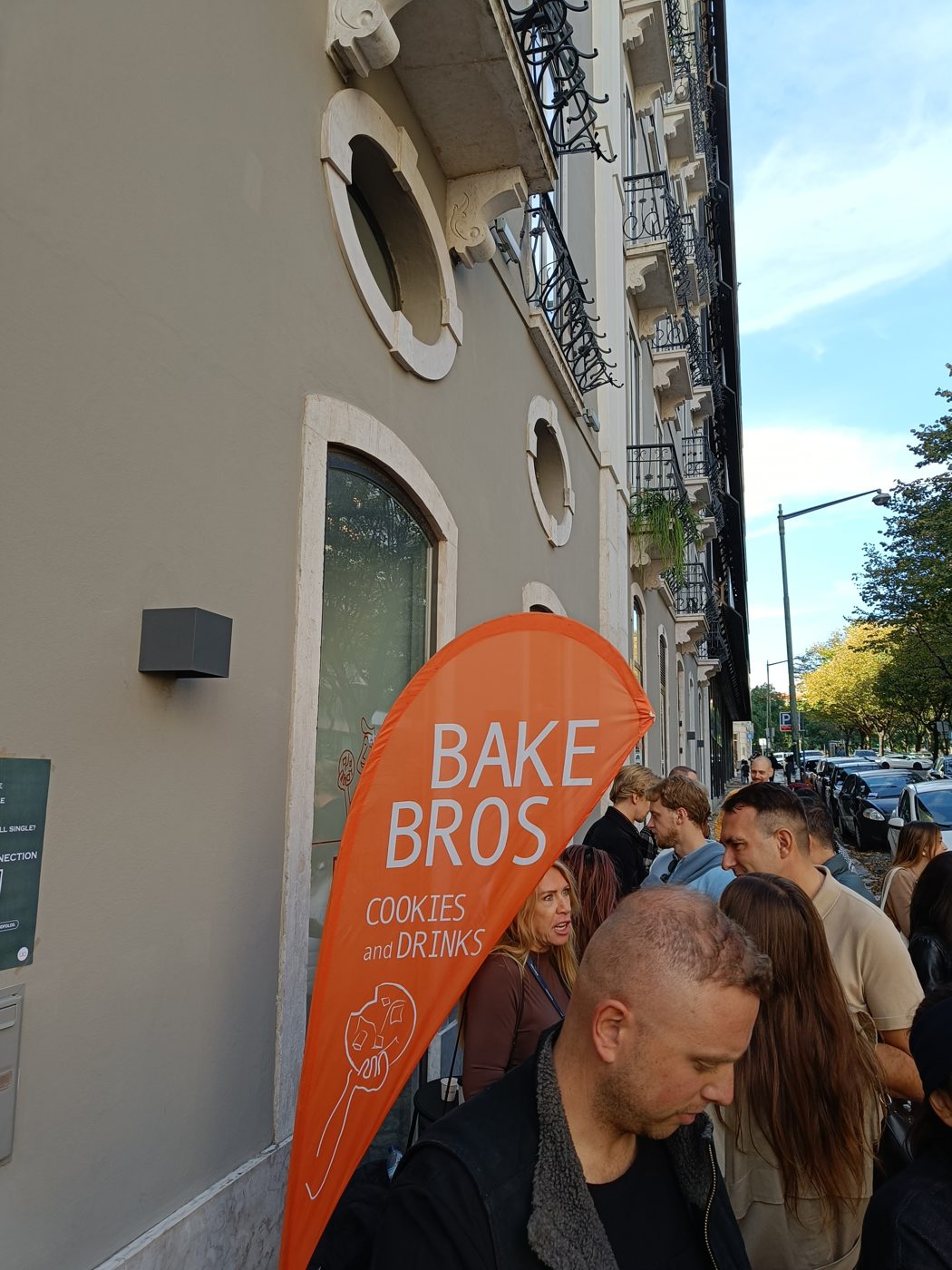
- A queue of arrivals outside a cookie shop on a Lisbon avenue, entirely in English.
- Laundry strung across a balcony above a coffee shop and an international school's banners on the next building.
- Cafés with a magazine shelf, a menu in English, and a Portuguese street outside the window.
What people told me
"A big small town."
"Lisbon is a solo experience, not a collective one."
What kept coming up
Bubbles. Named by almost everyone, in that word. Locals, expats, arrivals from the former colonies and South Asia, the old money. Living peacefully beside each other and not with each other.
Friendly and approachable, up to a level, and then it stops. Said by foreigners and confirmed by locals about themselves.
Locals do not invite expats in. There is tension underneath the peace, and both sides know it.
The expats are starting to look outside their own bubble, because circling inside it has become boring.
Loneliness was named directly, as an issue in this city.
Contribution stops at the bubble's edge. People in survival mode do not look outward, and help is bought as a service rather than asked for as a favour.
What the context says
PORTUGAL · FOREIGN RESIDENTS
LISBON · SHARE OF THEM
What none of this measures is how well people know each other, and I am not aware of a measure that does. This signal rests on the conversations, and I have marked it as the least evidenced of the five signals.
What this tells me
Anyone here will talk to you. Almost nobody will bring you in. The warmth is real, which is why it takes people years to notice the second half.
Both sides want the same thing. The arrivals are bored of their own bubble. The locals stay in theirs. Nobody blamed anyone, and nobody could tell me how it ends.
A city can take almost any amount of change if the people in it know each other well enough to work it out between them. Lisbon has more change arriving than most cities in Europe and very few rooms where that conversation could happen. The largest version of it comes with a badge and leaves on the Friday.
So the bubble is not only a social fact. It is the fourth way out. If you never have to deal with anyone outside your own group, you never have to negotiate anything with them either.
A question worth asking
For anyone who has lived here more than three years:
how many people do you know well who were born in this city?
04 · Signal
Portugal educates, someone else employs
Seen through the 17 Living Goals06 Learning that lasts a lifetime01 Health as a foundation14 Progress that feels human
School through to university is free here, and it is good. Then the graduates leave. Portugal pays to train them and another country gets their working life.
Portugal trains doctors and nurses, and then loses them. You can see what that costs in the queue for an appointment.
What I noticed
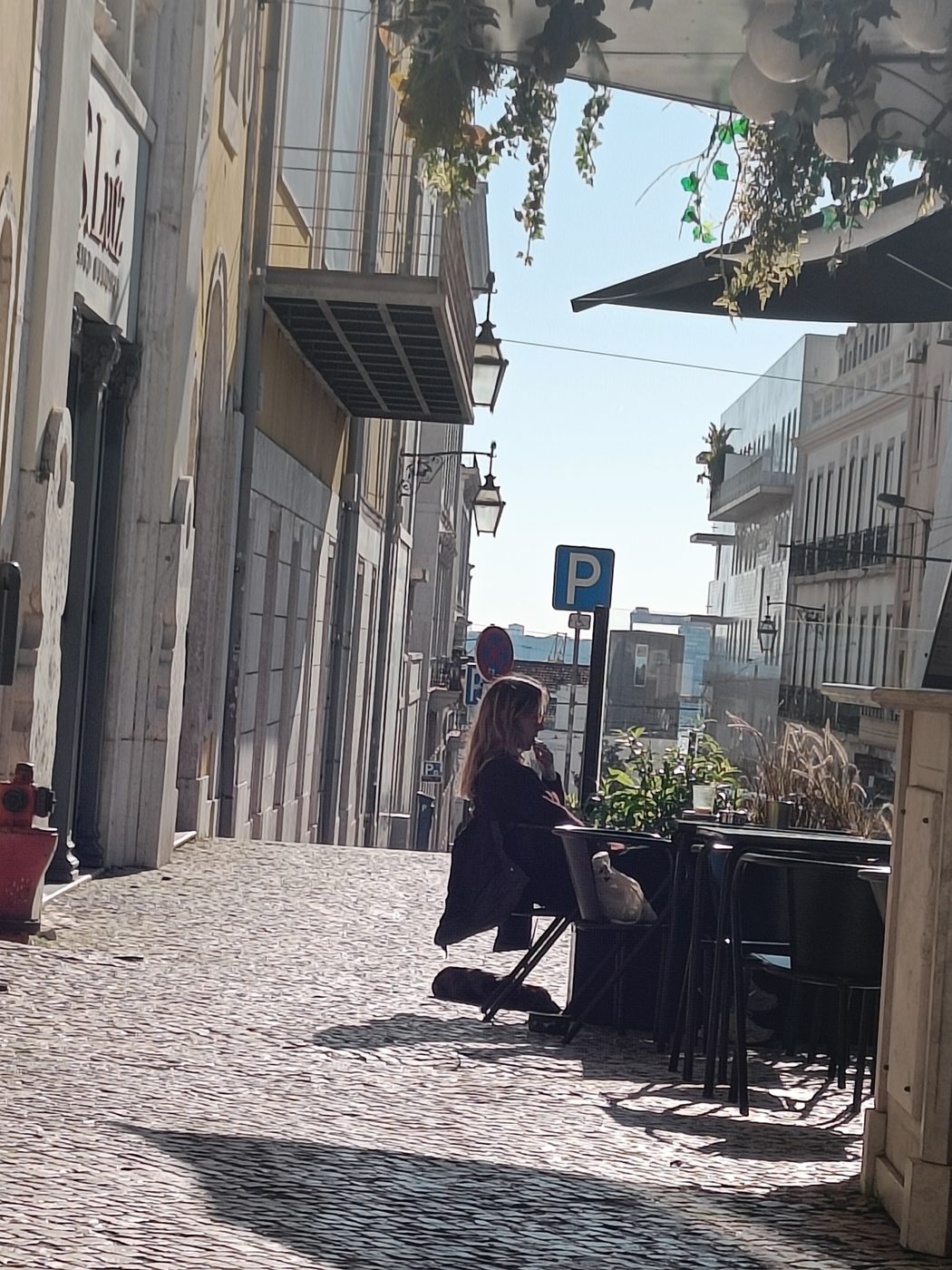
- Private clinics advertising in central neighbourhoods, in English.
What people told me
"Every schooling is free, from basic to university. And then they leave."
"You cannot get anything done in Lisbon."
What kept coming up
Waiting. For a specialist, for a diagnostic, for clarity. Months, named repeatedly and without drama.
Doctors leaving the public system for the private one or for abroad. Said by people with no professional stake in saying it.
The public hospital in partnership with the private one is good, when you reach it.
Mental health support is hard to get. Named separately, by more than one person.
A pregnancy rule that means you contact the hospital only two hours before, and births in the corridor or the ambulance as a result. Told as a thing that happens, not a scandal.
Skilled people leaving, and young people especially. Named as a brain drain by the people watching it.
What the context says
PORTUGAL · WAITING, AS A SHARE OF THE COUNTRY
Estimates put around 30% of Portuguese aged 15 to 39 living abroad, with roughly 70,000 people aged 25 to 34 leaving each year between 2020 and 2023. These are national figures. Lisbon trains a large share of the country's doctors and I could not find a city-level breakdown of where they go.
What this tells me
Free education for everyone is one of the best things this country does. It is also paying to staff other countries. Portugal covers the cost of training a doctor, and Germany, Britain or Switzerland gets the thirty years of work that follow.
I think the queues people described to me are part of the same shortage, seen from the other end. I cannot show how much of the waiting list emigration causes – an ageing population, pay, working conditions and hospital funding all sit in the same account, and a health economist would weigh them differently to me. What I can say is that a country losing staff at this rate and holding lists of this length is describing one problem in two places.
Both of them are ways out. The doctor takes the offer abroad. The patient with money goes private. Neither complains, and the list gets longer in silence.
Nobody I met described this as a crisis. It moves at the speed of one graduation at a time.
A question worth asking
For anyone who trained here and stayed:
why did your classmates leave, and you didn't?
05 · Signal
nothing will change, and they have good reason to think so
Seen through the 17 Living Goals12 A voice that counts16 Institutions that serve, not rule09 Minds that are cared for
The people I met complained constantly and acted almost never. That reads as apathy. I think it is a prediction — nothing will change — made by people who have watched that prediction come true before.
What I noticed
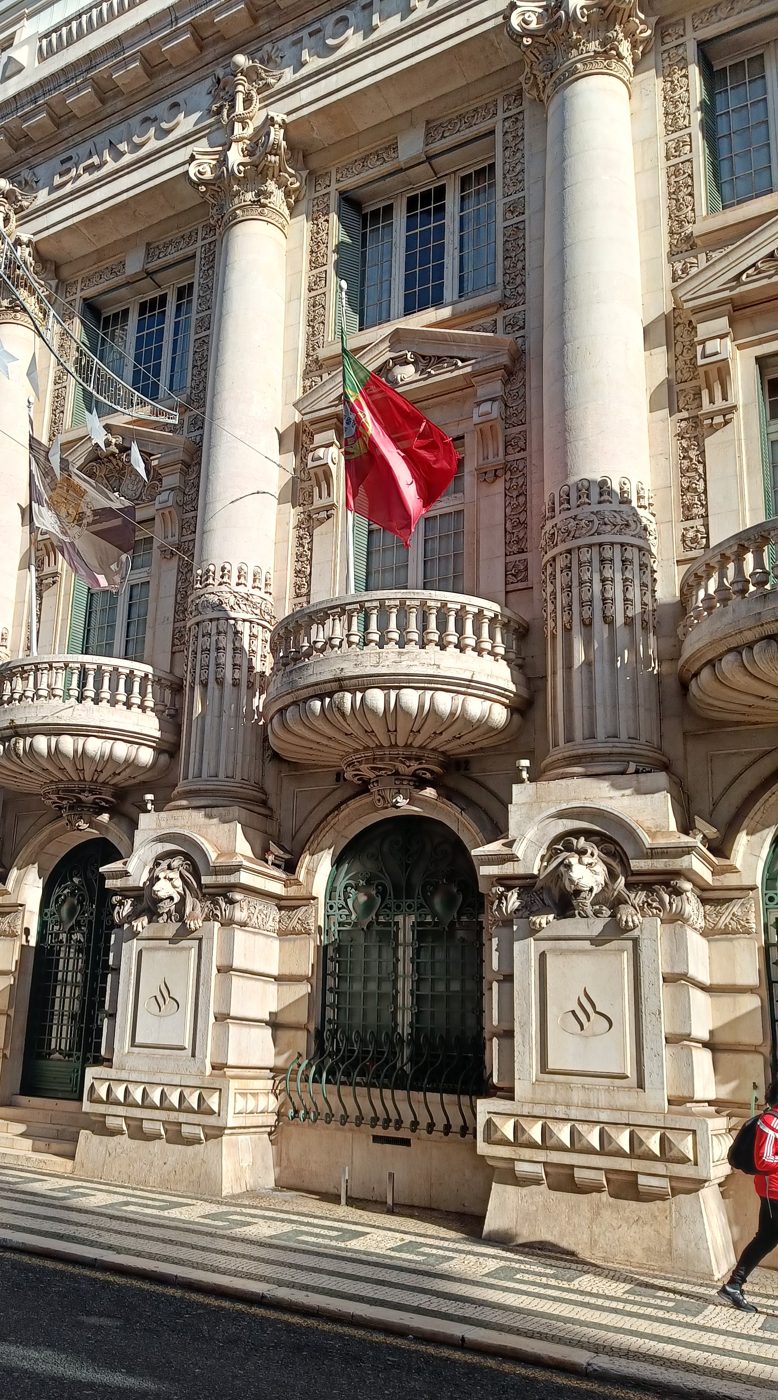
- A bank facade with columns, lions and the national flag, in a city where people told me the banks and the old families decide.
- Public space losing to parking, and rubbish collection that does not keep up.
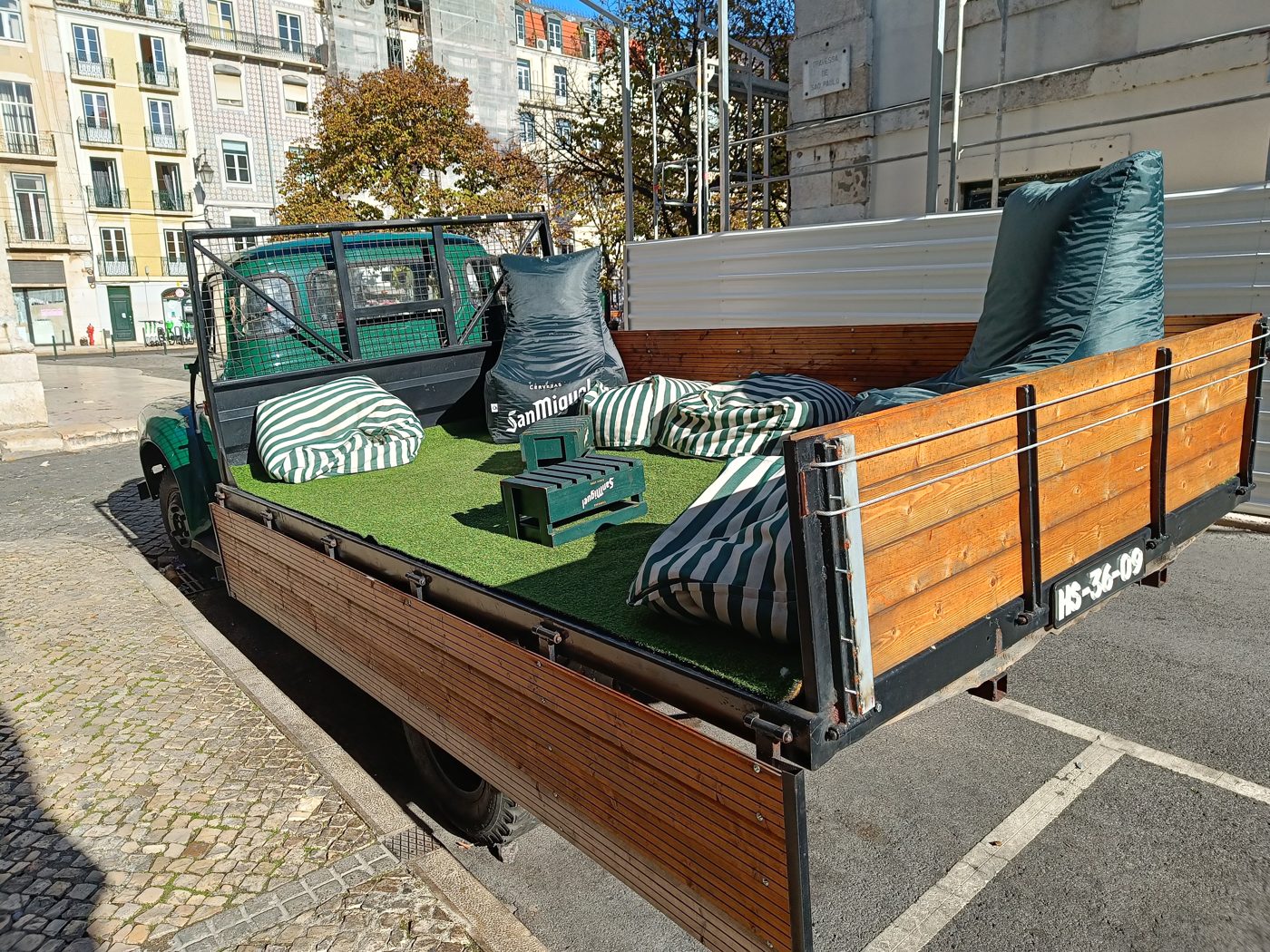
- A pickup truck floored with astroturf and beanbags, parked in a marked bay – public space sold back as a product.
What people told me
"We complain a lot and do nothing. It is our fado."
"The system is rotten, it will not change."
What kept coming up
Fado here means fate, not the music.
Nothing will change anyway, so why act. Said in those words, by different people, without bitterness.
An election was coming in January, and nobody expected it to matter. The president has no real power, so it makes no difference.
The powerful families are the real decision makers and the politicians answer to them. The church is rich and owns a great deal of property.
The government promises and does not deliver. The bureaucracy is enormous and arrives nowhere. One person called it weaponised incompetence.
Polarisation is rising and the right and far right are gaining. Named as a consequence of the housing situation, by people who were not voting that way.
Football stops the city, and more than one person said out loud that this is convenient.
Be happy with what you have. Said kindly, as advice.
What the context says
PORTUGAL · THE CHEGA VOTE
PORTUGAL · MENTAL HEALTH
What this tells me
Giving up on politics is usually treated as a flaw in people. Here it looks like people reading their own history correctly. Forty-eight years of dictatorship ended in 1974. The generation that lost most of a decade to austerity is now in its forties. They did not stop acting because they stopped caring. They stopped because acting had not worked.
The trouble with an accurate prediction is that it makes itself true. Nobody acts, so nothing changes, so nobody acts.
Where the anger goes I can only guess at. It is not going into residents' associations, parish councils or campaigns – nobody I met belonged to one. The party growing fastest is the one saying the whole system is rotten, which is close to the phrase people used to me over coffee in the same breath as saying they would not bother voting. I am not claiming those are the same people. I am saying the sentence is available to both.
This is the least evidenced part of the reading and the part I would most like to be wrong about. It is also, on the strength of six weeks, the one I would put money on.
And it is the fifth way out, the one that makes the other four permanent. If you have already decided nothing will change, then not fighting about any of it is not a defeat. It is the sensible thing to do.
A question worth asking
For anyone working inside a Lisbon institution:
when did a resident last change one of your decisions?
The method, in full
the four pillars
Every city on the Quality of Life Tour gets the same seventeen questions, and those questions group into four parts of a life: Live Good, Work Good, Feel Good, Do Good. That is the method, and this is the page where it is set out in full.
The five signals were the patterns that kept coming back. They are not the whole reading. I put all seventeen questions to Lisbon, and sorted into the four pillars, the answers came back the same four times.
On all four, people have a way out. On none of them do they stay and argue.
live good
- What holds:
- the daylight, safety, walkability, and transport that reaches everywhere for a fixed price. Forty euros a month buys unlimited travel across all eighteen municipalities, from the centre to Cascais, and that price has not moved since 2019. People complain about the trains, as people do everywhere, and still the fare is the one cost in this reading that has stayed still while everything else rose.
- What is missing:
- a home an ordinary wage can hold.
- The way out:
- move to a cheaper town outside the city, and travel in.
work good
- What holds:
- work exists, and unemployment is at a decade low.
- What is missing:
- any link between effort and return.
- The way out:
- leave the country. Around 30% of Portuguese aged 15 to 39 already have.
feel good
- What holds:
- the food, the climate, the ease of a day.
- What is missing:
- care that arrives in time.
- The way out:
- pay privately, or wait quietly.
do good
- What holds:
- warmth, and easy conversation with anyone.
- What is missing:
- a circle to be inside.
- The way out:
- stay in your own bubble.
Four problems, four ways out, and not one of them requires anybody to sit down with anybody. Nobody has to complain to a landlord, take it up with an employer, write to the ULS, or go to a parish council meeting. Every route out is private and every route out works well enough.
That is the finding underneath all five signals. Lisbon has made leaving easy in every direction, so hardly anybody stays to argue. The city does not have an angry population. It has a departing one, and the two look nothing alike from inside a council building.
what I could not settle
Six weeks is enough to notice things and not enough to be sure of them. These stayed open.
Is the calm real, or is it pressure with the lid on? People are gentle, modest and unhurried here, and it is one of the best things about the place. It also looks, from outside, like something being held down. Both readings are mine, and one of them is probably wrong.
Do the locals want the bubbles? Everyone described the separation as a problem. Nobody described wanting it to end. I could not tell whether that is resignation or preference.
How much is my sample? Most of what I heard came in English, which shifts a sample towards people who are already connected outwards. It matters most on Signal 03, where half the finding is about how newcomers experience the city and half is about how locals do. I heard the first half more clearly than the second.
Who actually decides? More than one person named the old families and the church as the real power. That is a serious claim and I could not test it. It stays a thing I was told, not a thing I found.
What does saudade do? It was offered to me as the explanation for everything, warmly, several times. The word means a kind of fond longing for something absent, and it is treated here as a national characteristic. I could not tell whether it explains the behaviour or excuses it.
what changed since the fieldwork
This reading is a picture of Lisbon in late 2025. Between then and publication, four things moved that bear directly on it. They are set out here rather than woven into the signals, so that what people told me stays as they told it, and anything that happened afterwards is clearly marked as afterwards.
Three of the four changes went in the opposite direction to what the people in this reading asked for. The fourth went their way.
Lisbon reopened short-term rentals. In December 2025, while people were telling me the city should cap Airbnb, the câmara reversed its 2019 moratorium and allowed new licences up to 10% of local housing stock across eighteen districts. The stated reason was that the restrictions had not made housing any cheaper for people living here. The city's evidence for that is real – rents rose through the moratorium anyway. Whether the moratorium was the cause, and whether lifting it will help, is a different question and not one this reading can answer. What is certain is that the decision is the opposite of what almost every person in this reading asked for.
The election happened, and half the country stayed home. Turnout was 52.4% in January's first round and 50.0% in February's runoff, with Lisbon and Porto below 50% in the first round. António José Seguro won with 66.7%. André Ventura took 33.3%, more than 1.5 million votes and Chega's strongest result to date, against 22.8% at the 2025 legislative election. So: half the country did not vote, and a third of those who did chose Ventura. Signal 05 was written before any of this.
The health standard moved rather than the queue. In April 2026 the maximum wait for the highest-priority cancer surgery was doubled from 15 to 30 days, and the triage tiers were collapsed from three or four to two. The system could not meet the commitment, so the commitment was revised.
The tax gap is closing. The NHR regime shut to new applicants at the end of 2023, the golden visa property route is closed, and from 2026 many non-resident buyers face a flat 7.5% transfer tax. The inversion people described to me – the foreigner paying less than the local – was real for a cohort and is being unwound. That is worth saying plainly, because it is the one thing in this reading that has moved in the direction people wanted.
The country found 1.6 million people it had not counted. In June 2026, Statistics Portugal restated the resident population at 11,424,031 for the end of 2025, after a new method picked up foreign residents the old count had missed. The 2024 figure went from about 10.75 million to 11.39 million. Nobody arrived; the counting changed. It matters to Signal 01, because the housing figures in this reading – dwellings per resident, and the share standing empty – were all worked out against the smaller population. Portugal has less housing per person than those numbers suggest.
Taken together, the four changes say something the signals do not. In nine months the rules on renting, voting, treating and taxing all changed, and none of it came from the people living under them. The system adjusted. The people inside it were not in the room.
Not part of the reading
Everything above this line is what I found. Everything below it is what I think might help, which is a different kind of claim. Lisbon will know things I cannot. These are here to be argued with, which is more use than another description of the problem.
where this points
Reading Lisbon this way left me with more than a description, so I built on it. Two of the five signals now have a concept attached: something a city, a hospital or a business could actually put in place. They came out of these findings and were designed afterwards, not brought along and fitted to what I found.
Both are worked out properly at businesshippie.club/quality-of-life-solutions, along with a third. Neither exists yet.
closing reflection
Lisbon is a good place to be. The daylight, the safety, the ease of a day, the warmth of anyone you stop in the street – all of that is real, and none of it is in question.
What is in question is whether someone on a Lisbon wage can still build a life here. The city is being carefully preserved while the life inside it moves out.
I came expecting to find a city under pressure and to hear people say so loudly. Instead I found five problems that everyone recognises and almost nobody argues about, because each one has a private way out that works. Move out of the city. Take the job abroad. Pay for the appointment. Stay with your own. Skip the vote.
Every one of those is a reasonable decision. Together they mean the city rarely has to hear from the people it is failing. A council that measures complaints, consultations and turnout will read all of this as calm.
The waiters, nurses, teachers and shopkeepers who make Lisbon worth arriving in are not angry with you. They are quietly making other arrangements. That is worse, because anger stays in the room.
I would rather be corrected than agreed with.
thank you
This reading exists because people gave me their time and their honesty, usually over coffee, usually with nothing to gain from it.
Thank you to everyone in Lisbon and around it who sat down with a stranger and answered questions about their own life without flinching – the waiters, the community managers, the founders, the engineers, the cooperative, the people who arrived a decade ago and the people deciding whether to go.
Nothing here would exist without you. If I have read you wrong, that is mine.
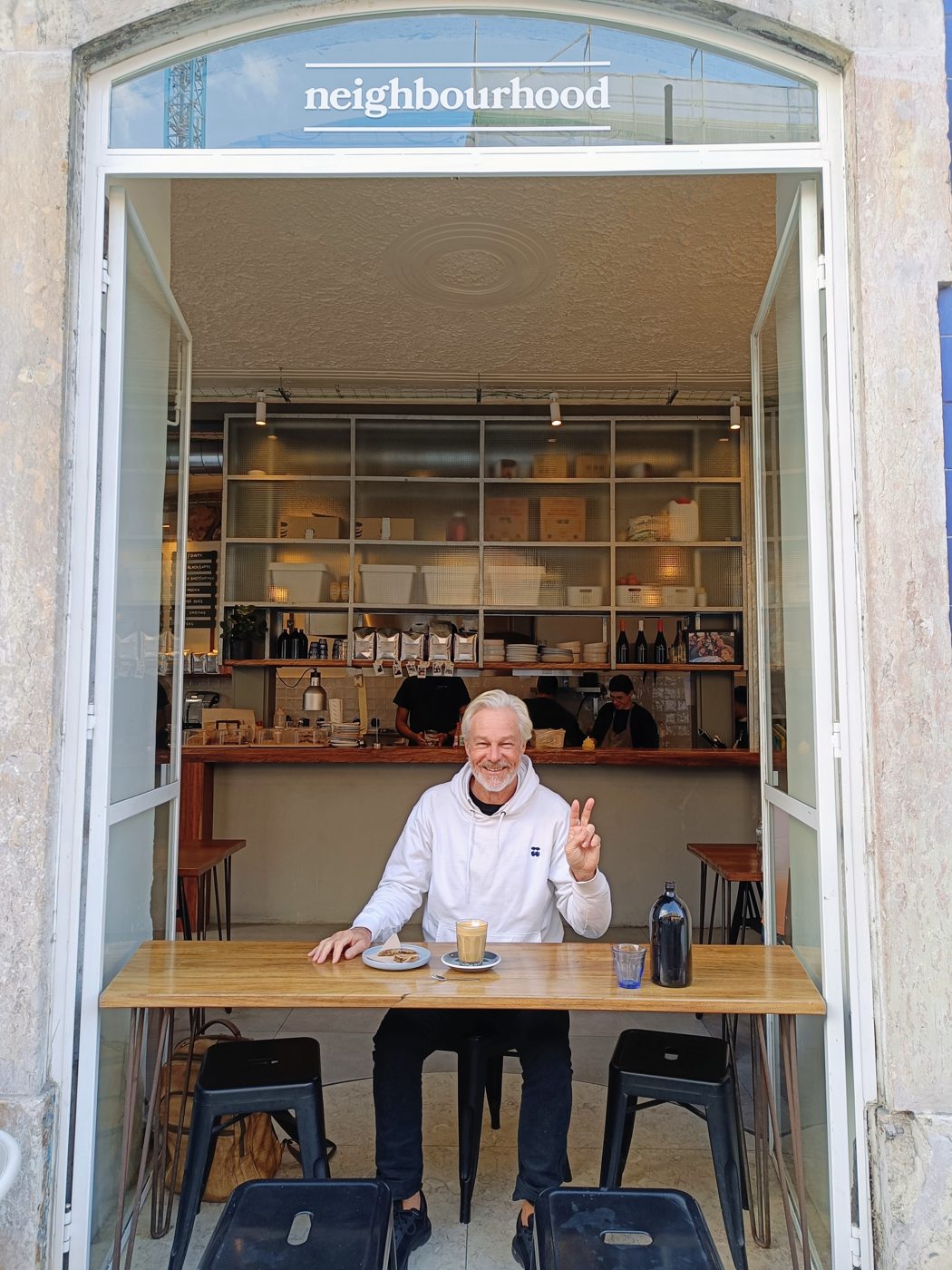
 Hans van de Rakt · Business Hippie Club
behind this reading
The 17 Living Goals are free to use, with credit: businesshippie.club/the17livinggoals
See the QOL creations – concepts like the two above, worked out properly, at businesshippie.club/quality-of-life-solutions
If you work on any of this – in the câmara, in a hospital, in a business that hires here – I would like an hour and a coffee. contact@businesshippie.club